Understanding Solar Panel ROI Malaysia: A Guide for Homeowners and Businesses
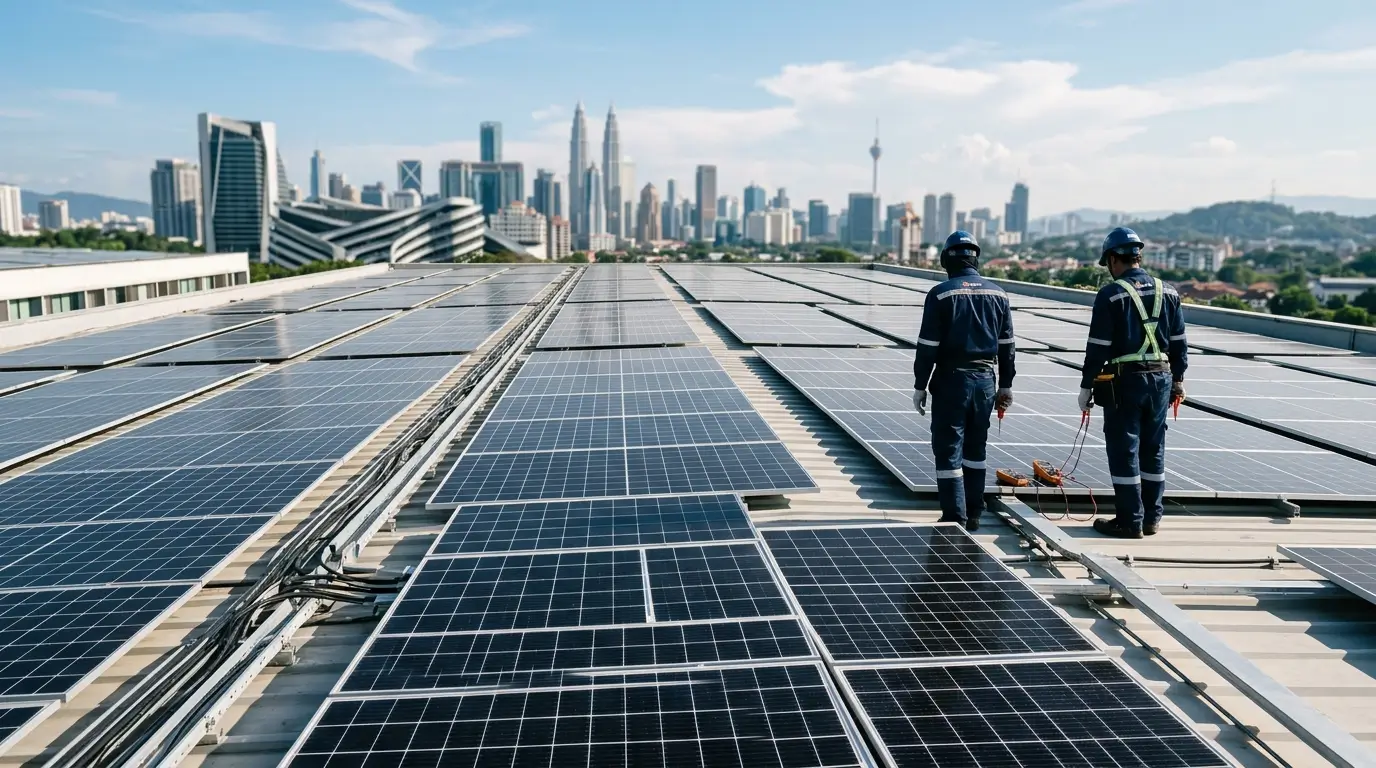
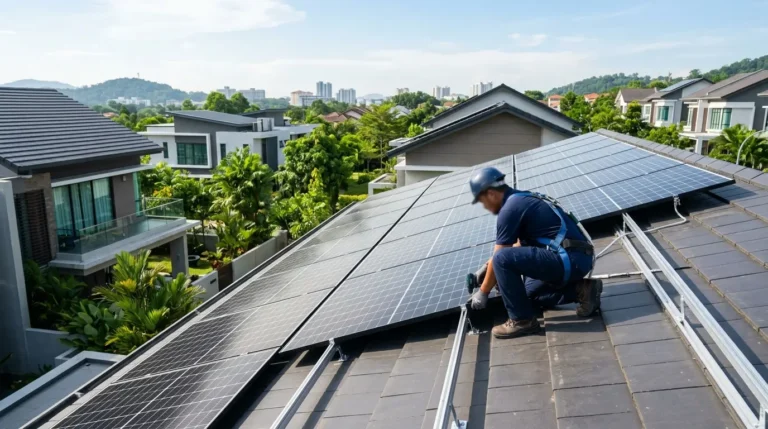
Investing in renewable energy is a significant financial decision, and for many Malaysians, the primary motivation is long-term cost reduction. When evaluating the feasibility of a rooftop installation, understanding the solar panel ROI Malaysia is the most critical step for both residential and commercial property owners. By converting sunlight into electricity, solar systems offset monthly utility bills, effectively turning a rooftop into a revenue-generating asset rather than a cost center.
Factors Influencing Your Solar Investment
The return on investment for solar power depends on several key variables. First, the size of your system must align with your energy consumption patterns. A system that is too small may not offset enough power, while an oversized system might result in unnecessary capital expenditure. Second, the orientation and shading of your roof play a major role in the efficiency of the panels.
Another vital factor is the current electricity tariff rate. In Malaysia, commercial and industrial users typically see a faster payback period due to higher consumption rates and peak hour pricing. Residential users can also maximize their returns by leveraging the Net Energy Metering (NEM) 3.0 programme, which allows users to export excess solar energy back to the grid on a one-to-one offset basis.
Calculating Your Financial Gains
Calculating the payback period involves comparing the total upfront cost of the EPCC project against the cumulative savings generated over the system’s lifespan. Most solar panels have a manufacturer warranty of 20 to 25 years, providing a long window for significant savings.
| Category | Primary Benefit | Estimated Payback Period |
|---|---|---|
| Residential | Monthly bill reduction | 5 to 7 years |
| Commercial/Industrial | Tariff savings and energy hedging | 3 to 5 years |
As shown in the table above, commercial entities often realize returns faster because they consume electricity during peak daylight hours. This reduces the need to draw from the national grid when utility prices are at their highest.
Government Incentives and Support
Malaysia offers robust support for solar adoption, which significantly improves the financial outlook. Initiatives such as the ATAP programme and various green investment tax allowances help lower the barrier to entry. Working with a SEDA-certified and CIDB G7-registered company like IPS Technology ensures that all installations meet the rigorous standards required to qualify for these incentives.
Maximizing Your Returns Through Maintenance
Installation is only the first step. To maintain a consistent solar panel ROI Malaysia, routine maintenance is essential. Accumulated dust, debris, and bird droppings can reduce energy yield by up to 20 percent. Professional cleaning and regular system monitoring ensure your panels continue to operate at peak efficiency throughout their multi-decade lifespan.
Why Quality Matters
Cheap, low-quality components may seem attractive initially, but they often lead to frequent repairs and efficiency degradation. Choosing a reputable EPCC provider ensures that your engineering designs, procurement of tier-one panels, and commissioning processes are optimized for local climatic conditions. This quality assurance is the best way to secure your financial future in the solar sector.
Ultimately, transitioning to solar energy is a strategic move that provides both environmental benefits and financial stability. By understanding the variables that affect your solar panel ROI Malaysia, you can make an informed decision that will shield your home or business from rising electricity tariffs for years to come. IPS Technology remains committed to delivering high-performance, long-lasting solar solutions tailored to your unique energy needs.
Explore More
- See our full range of EPCC, feasibility study, ATAP and maintenance services
- Browse our completed solar projects
- Request a free consultation
Frequently Asked Questions
What is the average payback period for solar panels in Malaysia?
Residential systems typically have a payback period of 5 to 7 years, while commercial systems often see a return within 3 to 5 years, depending on energy consumption patterns.
How does the NEM 3.0 programme affect my ROI?
NEM 3.0 allows you to offset your electricity bill on a one-to-one basis for excess energy exported to the grid, which significantly reduces your monthly costs and improves your total investment return.
Do solar panels require much maintenance?
Solar panels require minimal maintenance, but periodic cleaning and performance monitoring are recommended to ensure they operate at maximum efficiency, protecting your initial investment.
Does my roof direction affect solar efficiency?
Yes. In Malaysia, roofs facing true north or true south generally receive the best solar exposure. An expert EPCC team will conduct a feasibility study to optimize the placement for your specific location.
Why should I choose a CIDB G7-registered contractor?
A CIDB G7 registration indicates that a contractor has the capacity and financial standing to handle large-scale projects, ensuring professional engineering standards and regulatory compliance.
Share on Social Media
More From IPS Insights
Ready to Go Solar ?
Our engineers will help you find the best solution for your needs.
Ready to switch to smarter energy?
Speak to our engineers. We’ll review your site and help you understand the most suitable solar solution for your needs.