
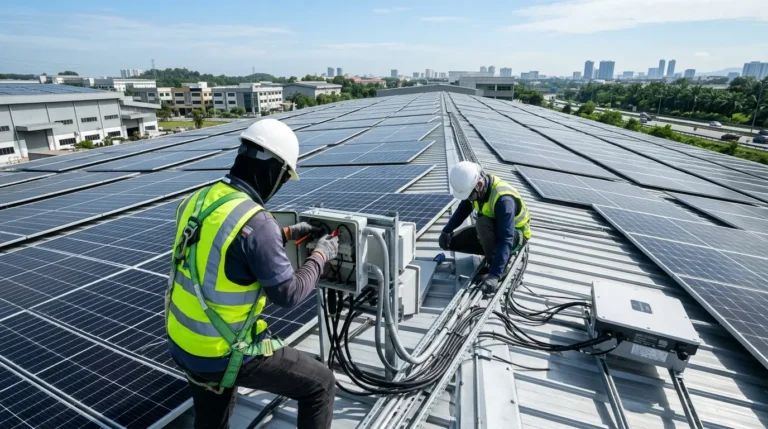
Understanding Solar Panel Price Malaysia: A Complete Guide for Homeowners and Businesses
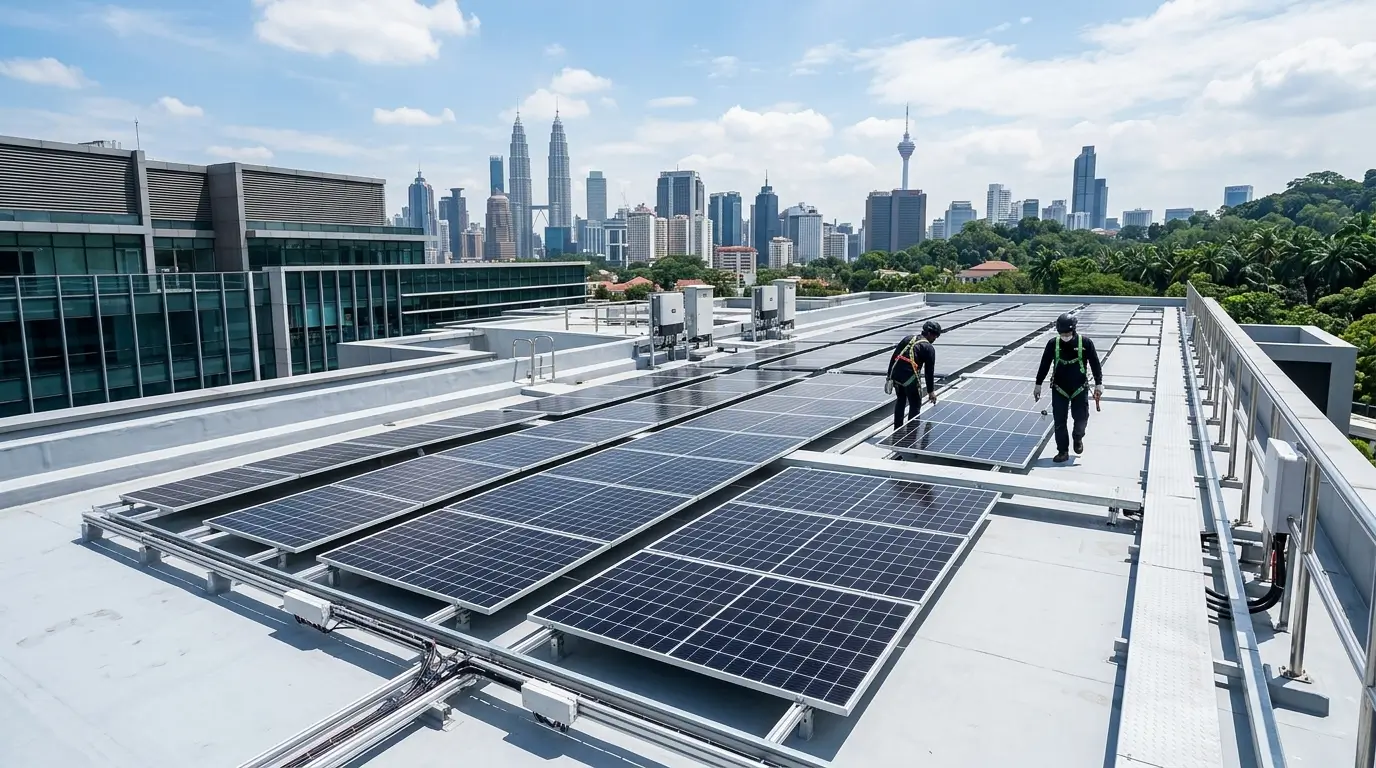
Understanding Your Investment in Solar Energy
As electricity tariffs and sustainability concerns encourage more Malaysians to explore renewable energy, solar power has become an option for homeowners and businesses looking to manage their electricity costs. If you are considering an installation, one of the first questions is the solar panel price Malaysia property owners should budget for. Understanding the factors that influence installation costs can help you compare quotations and make a more informed decision.
At IPS Technology, we recognise the importance of understanding the costs before starting a solar project. Whether you are planning a residential system or a larger commercial installation, the total investment depends on several technical and site-specific factors. A proper assessment can help identify a suitable system size, equipment options and installation requirements for your property.
Key Factors Influencing Installation Costs
The price of a solar PV system is not fixed because each property has different energy needs and installation conditions. The following factors can affect the final quotation from a solar EPCC provider.
1. System Capacity and Size
One of the main factors affecting cost is the system capacity, commonly measured in kilowatt-peak (kWp). Larger systems generally require more solar panels, mounting structures and suitable inverter capacity. Although the upfront investment may be higher, a properly sized system can generate more electricity and potentially increase bill savings. The actual benefit depends on how much of the generated electricity your property uses and the applicable programme and tariff arrangements.
2. Equipment Quality and Technology
Solar panels, inverters and mounting systems come in different specifications and price ranges. Their efficiency, product warranty, compatibility and expected performance can influence the overall cost. The choice between a string inverter and microinverters, for example, depends on factors such as roof layout, shading, system design and maintenance considerations. Compare the actual specifications and warranty terms rather than choosing equipment based on price alone.
3. Site Conditions and Structural Requirements
Roof condition, orientation, shading, available installation space and structural suitability can affect the design and cost of a solar system. Additional work may be required if the roof needs repairs, the mounting arrangement is more complex or electrical upgrades are necessary. These requirements should be assessed before the final quotation is confirmed.
Indicative Price Estimates for Residential Solar
The table below provides an indicative budgeting guide for residential grid-connected solar systems. Actual prices may differ depending on equipment specifications, site conditions, installation scope and the quotation provided by the contractor.
| System Size (kWp) | Typical Property Type | Indicative Investment Range |
|---|---|---|
| 3–5 kWp | Terrace Houses | RM12,000–RM18,000 |
| 6–10 kWp | Semi-D / Bungalow | RM19,000–RM30,000 |
| 12 kWp and above | Larger Residential Properties | RM35,000 and above |
Note: These figures are indicative estimates from this guide, not verified current market prices or a formal quotation from IPS Technology. They may exclude additional site work, electrical upgrades, structural modifications, batteries and other optional components. Contact a solar provider for an assessment and an itemised quotation based on your property.
The Value of Solar EPCC Services
An Engineering, Procurement, Construction and Commissioning (EPCC) provider coordinates the key stages of a solar project. Depending on the agreed scope, this may include site assessment, system design, equipment procurement, installation, testing and commissioning. The provider may also assist with relevant application documentation and grid connection arrangements where these services are included.
For eligible projects, Solar ATAP may be relevant to the installation and treatment of excess electricity exported to the grid. Eligibility, technical requirements and export credit arrangements depend on the applicable programme rules and consumer category. These details should be checked before estimating potential savings or the payback period.
Long-Term Savings and Maintenance
The value of a solar installation goes beyond its initial purchase price. Potential savings depend on the system’s energy output, how much electricity is consumed on-site, electricity tariffs, maintenance costs and any applicable export credit arrangements. A feasibility assessment can help estimate the potential return on investment, although actual results will vary.
Solar panels generally require limited maintenance, but periodic inspections and appropriate cleaning can help maintain performance and safety. Inverters and other electrical components may also require servicing or replacement during the system’s lifetime. Ask your provider about maintenance options, warranty coverage and any ongoing costs before proceeding.
Making the Right Choice
When comparing solar quotations, consider more than the lowest upfront price. Review the equipment specifications, installation scope, workmanship, warranty coverage, relevant contractor registrations and after-sales support. Make sure you understand what is included and whether any additional work may incur extra charges.
IPS Technology provides solar-related services for property owners exploring their energy options. By assessing your electricity usage, site conditions and installation requirements, you can make a more informed decision about the system that suits your needs. Contact IPS Technology to discuss your project and request a quotation for your solar panel installation Malaysia requirements.
Explore More
- Explore our EPCC, feasibility study, Solar ATAP and maintenance services
- Browse our completed solar projects
- Request a consultation
Frequently Asked Questions
What is Solar ATAP Malaysia?
Solar ATAP is a Malaysian solar programme for eligible consumers who want to install solar PV systems under the programme’s applicable conditions. Requirements may include eligibility criteria, system capacity limits and rules governing excess electricity exported to the grid. Check the latest official guidelines to understand how the programme applies to your property.
What does CIDB G7 registration mean for a solar contractor?
CIDB G7 is the highest contractor grade under Malaysia’s Construction Industry Development Board grading system. It indicates that a contractor meets the applicable requirements for that grade, including financial capacity. However, CIDB G7 registration does not automatically confirm that a company holds every other licence, registration or approval that may be required for a particular solar project. Check the relevant credentials for the work involved.
How much does solar panel installation cost in Malaysia?
The cost depends on system size, equipment specifications, roof and site conditions, electrical requirements and the installation scope. The price ranges in this guide are indicative estimates and should not be treated as verified current market prices. Request an assessment and itemised quotation for an accurate estimate for your property.
How long do solar panels typically last?
Solar panels commonly come with long-term performance warranties, often covering 25 years or more. Their actual service life depends on product quality, installation, environmental conditions and maintenance. Inverters and other system components may have different warranty periods and replacement needs.
Is solar power effective during cloudy weather in Malaysia?
Yes. Solar panels can generate electricity from diffused sunlight on cloudy days, although output is generally lower than under strong, direct sunlight. The amount of electricity generated varies with cloud cover, shading, panel orientation and system characteristics.
What is included in a solar EPCC service?
EPCC stands for Engineering, Procurement, Construction and Commissioning. Depending on the agreed scope, it can cover site assessment, system design, equipment procurement, installation, testing and commissioning. Application documentation and grid connection support may also be included where relevant and agreed with the provider.
Share on Social Media
More From IPS Insights
Ready to Go Solar ?
Our engineers will help you find the best solution for your needs.
Ready to switch to smarter energy?
Speak to our engineers. We’ll review your site and help you understand the most suitable solar solution for your needs.