Comprehensive Guide to Solar Panel Installation Malaysia
Achieving Energy Independence in Malaysia
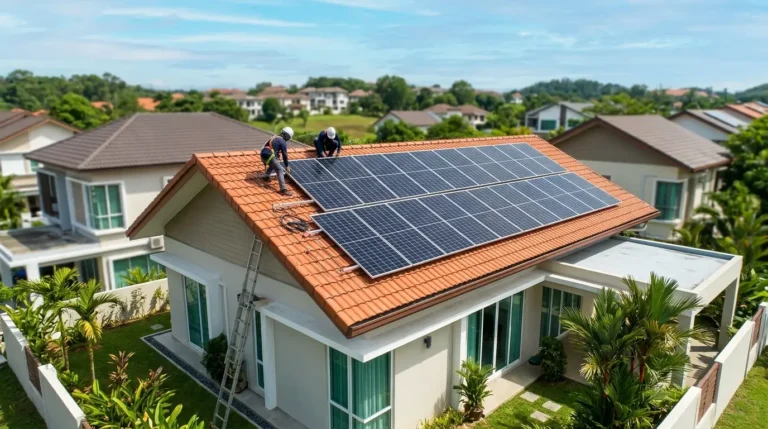
As electricity tariffs fluctuate and the focus on sustainability intensifies, more homeowners and businesses are looking toward renewable energy solutions. Opting for professional solar panel installation Malaysia is a strategic decision that allows you to harness the abundant tropical sunlight to lower your monthly utility bills while contributing to a cleaner environment. As a fully Bumiputera-owned company, IPS Technology specializes in delivering high-quality solar solutions tailored to the unique regulatory and climatic landscape of our country.
Why Choose a SEDA-Certified EPCC Provider
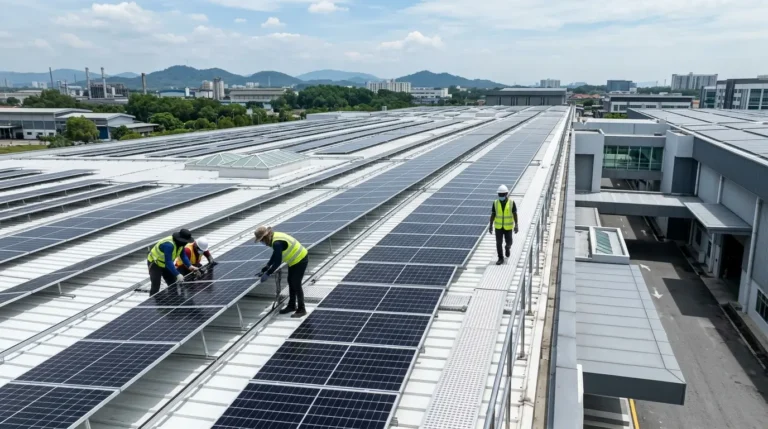
Solar energy systems are long-term assets that require precise engineering and high-quality procurement to ensure performance over twenty-five years or more. Engaging a SEDA-certified and CIDB G7-registered contractor like IPS Technology ensures that your system is designed for maximum efficiency and built to withstand local weather conditions. We handle everything from the initial site survey to the final grid connection, ensuring compliance with all national safety standards.
Understanding the Solar EPCC Process
The journey toward solar energy involves several distinct stages, often referred to as EPCC. This stands for Engineering, Procurement, Construction, and Commissioning. Understanding this workflow is vital for anyone planning a solar panel installation Malaysia project. By integrating these four phases under one professional roof, you minimize project risks and avoid the common pitfalls of hiring separate, uncoordinated subcontractors.
Engineering and Feasibility
Before any equipment is purchased, our engineers conduct a thorough site assessment. We analyze your roof structure, orientation, and historical electricity usage to design a system that optimizes your return on investment. This stage also includes professional documentation to support your applications for government incentives like the Net Energy Metering (NEM) 3.0 scheme.
Procurement and Quality Control
We source high-grade photovoltaic modules, inverters, and mounting systems from reputable global manufacturers. We prioritize hardware that offers reliable performance and strong warranty support, ensuring that your investment is protected for decades.
Construction and Commissioning
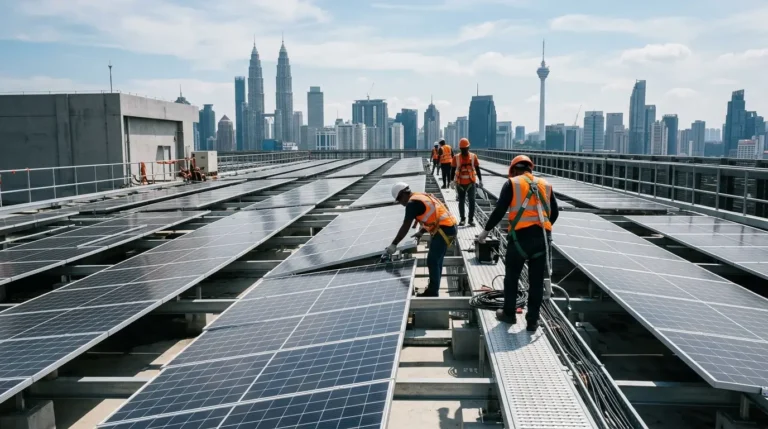
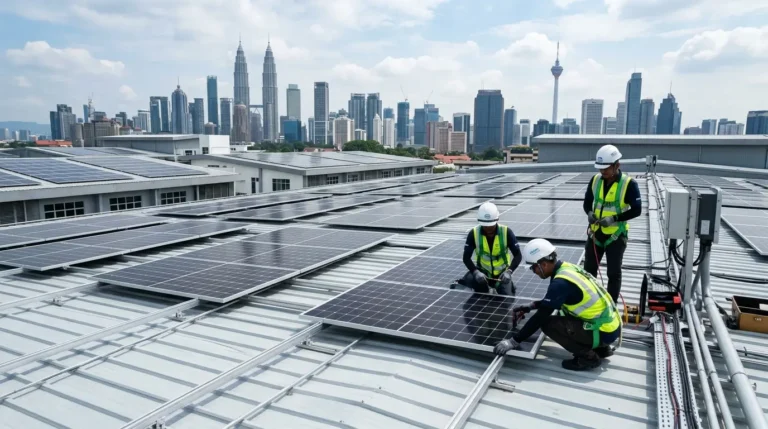
Our CIDB G7-certified teams execute the installation with strict adherence to safety protocols. Once the physical mounting and wiring are complete, we handle the commissioning process, which includes testing the system and coordinating with utility providers for final activation.
Financial Benefits and Incentive Programs
The Malaysian government has introduced several initiatives to encourage the adoption of solar energy. Participating in these programs can significantly shorten the payback period for your system.
| Program | Primary Benefit | Target Group |
|---|---|---|
| NEM 3.0 | Net offset of electricity bills | Residential and Commercial |
| ATAP Programme | Targeted solar adoption support | Eligible households and agencies |
| Green Investment Tax Allowance | Tax savings on capital expenditure | Industrial and Commercial |
Maintenance for Long-Term Performance
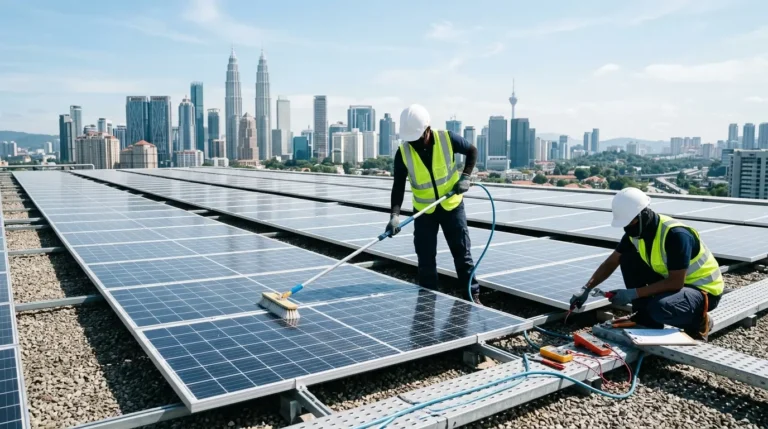
While solar panels are low maintenance, they are not zero maintenance. Regular cleaning and annual technical inspections are necessary to maintain peak output. Dust, bird droppings, and debris can reduce efficiency, while electrical components may require periodic checks to ensure safety. IPS Technology provides comprehensive maintenance packages to keep your system operating at its best throughout its lifetime.
Commitment to Quality and Compliance
Choosing the right partner for your solar energy transition is about more than just the lowest price. It is about working with a company that understands the complexities of the local grid, respects international safety standards, and values long-term client relationships. As a 100% Bumiputera-owned firm, we take pride in supporting Malaysia’s transition to a sustainable energy future.
Transitioning to solar power is one of the most effective ways to hedge against rising energy costs while supporting the national agenda for renewable energy. Whether you are managing a large industrial plant, a retail complex, or your own home, professional solar panel installation Malaysia provides the technical foundation you need for a successful and profitable energy transition. Contact IPS Technology today to schedule your feasibility study and take the first step toward energy freedom.
Explore More
- See our full range of EPCC, feasibility study, ATAP and maintenance services
- Browse our completed solar projects
- Request a free consultation
Frequently Asked Questions
What does EPCC mean in the context of solar energy?
EPCC stands for Engineering, Procurement, Construction, and Commissioning. It represents a comprehensive service model where a single contractor manages the entire project lifecycle, from initial design and sourcing of components to physical installation and final connection to the grid.
Why is CIDB G7 registration important for a solar contractor?
CIDB G7 registration is the highest grade issued by the Construction Industry Development Board in Malaysia. It signifies that the company has the financial capacity and technical capability to undertake large-scale construction projects, ensuring the contractor is qualified and reliable.
What is the NEM 3.0 scheme?
NEM 3.0 is a government initiative that allows solar energy users to consume the electricity they produce and export any excess energy back to the national grid on a one-to-one offset basis, helping to reduce electricity bills significantly.
Do I need to maintain my solar panels?
Yes, regular maintenance is required to ensure the system operates at peak efficiency. This includes cleaning the panels to remove debris and scheduling professional technical inspections to check for electrical faults or wear and tear.
How long does a typical solar panel system last?
High-quality solar panel systems are designed to operate for 25 to 30 years or more. While performance may degrade slightly over time, the system typically retains the majority of its efficiency throughout its service life.
Share on Social Media
More From IPS Insights
Ready to Go Solar ?
Our engineers will help you find the best solution for your needs.
Ready to switch to smarter energy?
Speak to our engineers. We’ll review your site and help you understand the most suitable solar solution for your needs.