
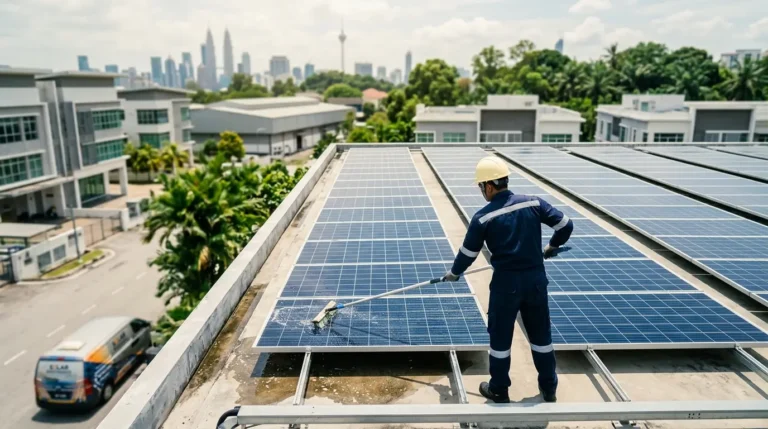
Maximizing ROI Through Solar PV System Integration for Industrial Warehouses in Malaysia
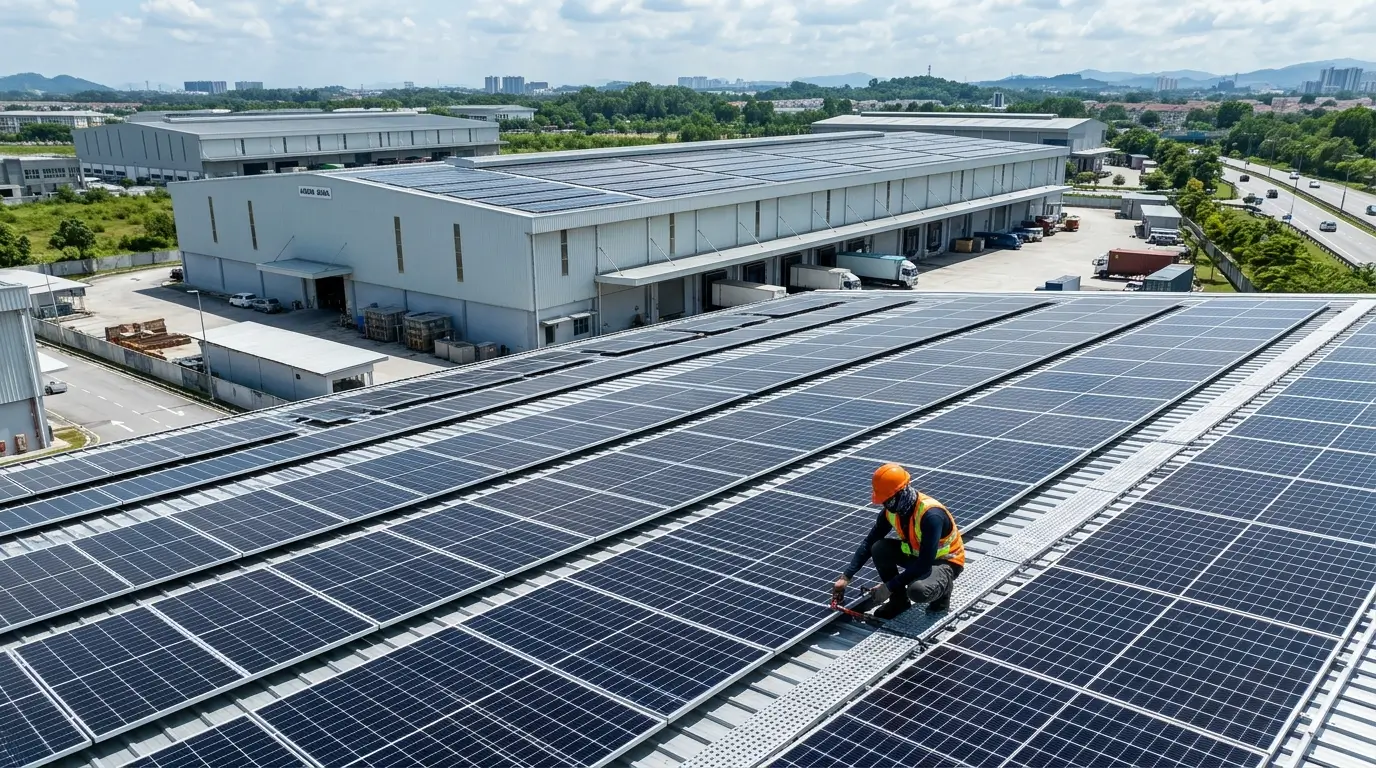
Understanding Industrial Energy Demands
For many facility managers, the rising cost of electricity is a primary concern that impacts the bottom line. When considering an industrial solar panel Malaysia project, it is essential to view it not just as a power generation tool, but as a strategic asset. Implementing solar pv system integration for industrial warehouses allows businesses to move beyond simple grid replacement toward a comprehensive energy management strategy.
Warehouses often suffer from high thermal gain due to vast roofing areas. By installing a solar system, you provide a layer of shade that protects the roof deck from direct solar radiation. This passive cooling effect, combined with active electricity generation, creates a dual benefit that traditional utility models cannot match.
The Mechanics of Industrial Cooling Load Reduction
Industrial facilities frequently rely on massive ventilation systems and air conditioning units to maintain product integrity. Heat absorption through the roof is the single largest contributor to internal temperature spikes. When you deploy a solar array, the airflow gap between the solar panels and the roof surface acts as a thermal barrier.
Studies suggest that this air gap can reduce roof surface temperatures by several degrees Celsius. Consequently, your cooling equipment works less, leading to lower monthly energy consumption. Understanding the nuances of this integration is vital for your project’s financial success, as discussed in our guide on understanding solar panel ROI Malaysia.
Strategic Planning for Maximum Efficiency
Successful execution requires more than just mounting panels. You must account for the structural load capacity of the warehouse roof and the specific energy profile of your facility. For complex manufacturing sites, ensure you consult with an expert on choosing the right solar company Malaysia to avoid common installation pitfalls. The process of integrating these systems involves a technical assessment of your maximum energy demand.
| Benefit Category | Impact on Warehouse Operations |
|---|---|
| Direct Electricity Savings | Reduces monthly TNB expenditure |
| Thermal Load Reduction | Decreases HVAC/ventilation operational hours |
| Roof Asset Protection | Extends lifespan of roofing materials |
| Sustainable Branding | Enhances ESG reporting capabilities |
Optimizing for the Solar ATAP Environment
As of 2026, the industry has shifted toward the Solar ATAP framework. For industrial non-domestic consumers, the ability to offset energy costs up to 100% of maximum demand provides a significant opportunity for large-scale warehouse projects. Because exported energy credits are calculated based on the Average SMP, businesses must focus on self-consumption to capture the highest value. Proper solar pv system integration for industrial warehouses ensures that your energy production aligns perfectly with your peak operating hours, minimizing the need to export energy at lower rates.
Long-Term Maintenance and System Health
A solar installation is a long-term commitment. Regular check-ups are required to ensure the system continues to perform optimally. Relying on a professional SEDA approved solar contractor Malaysia ensures that your electrical systems are compliant with current safety regulations. Consistent maintenance is the key to protecting the warranty and performance of your investment over the next decade.
Ultimately, the move toward solar energy is an essential step for Malaysian industries looking to stay competitive. By focusing on smart solar pv system integration for industrial warehouses, you can turn your underutilized roof space into a high-performance asset that lowers operating costs while contributing to a greener national energy grid.
Explore More
- See our full range of EPCC, feasibility study, ATAP and maintenance services
- Browse our completed solar projects
- Request a free consultation
Frequently Asked Questions
Can solar panels help lower warehouse cooling costs?
Yes. Solar panels act as a thermal barrier by absorbing sunlight that would otherwise heat your roof. The resulting air gap between the panels and roof helps reduce the heat transfer into the building, lowering the workload on your HVAC and ventilation systems.
Does solar pv system integration for industrial warehouses qualify for Solar ATAP?
Yes, industrial facilities can participate in the Solar ATAP programme. Non-domestic consumers can install systems up to 100% of their maximum demand, capped at 1,000 kW.
How do exported energy credits work for commercial solar users?
For non-domestic users under the current programme, exported energy is credited at the Average SMP. Credits only offset energy charges within the same billing period and do not carry forward.
What is the role of a SEDA Registered PV Service Provider?
A SEDA Registered PV Service Provider is responsible for the technical design, installation, and commissioning of the solar system, as well as submitting the necessary applications to the relevant authorities.
How often should industrial solar systems be inspected?
Industrial-scale systems should be inspected at least once or twice per year to ensure electrical integrity, panel cleanliness, and system performance, especially if the facility is in a dusty or high-traffic environment.
Share on Social Media
More From IPS Insights
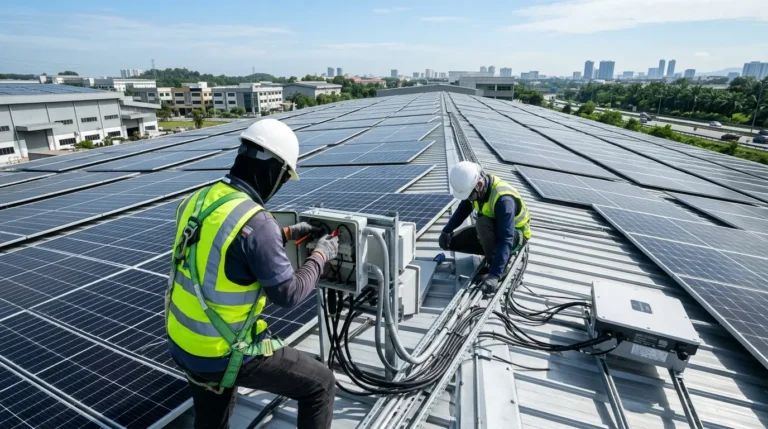
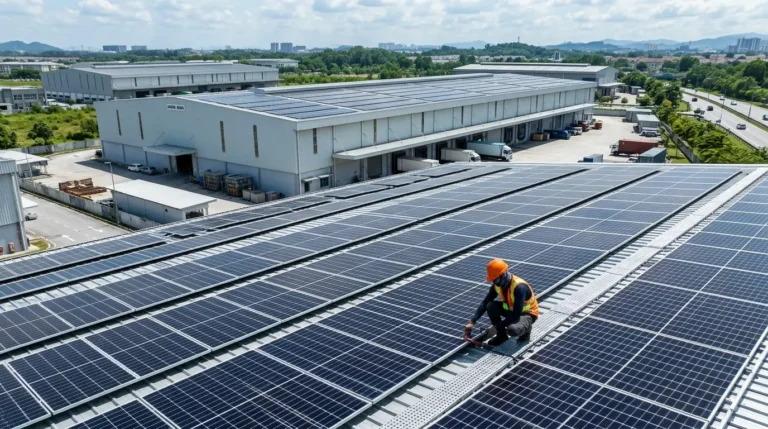
Ready to Go Solar ?
Our engineers will help you find the best solution for your needs.
Ready to switch to smarter energy?
Speak to our engineers. We’ll review your site and help you understand the most suitable solar solution for your needs.