
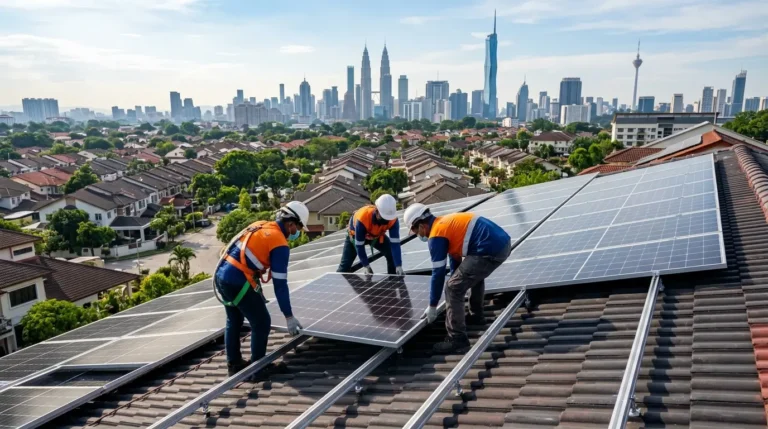
A Complete Guide to Understanding Solar ATAP Malaysia
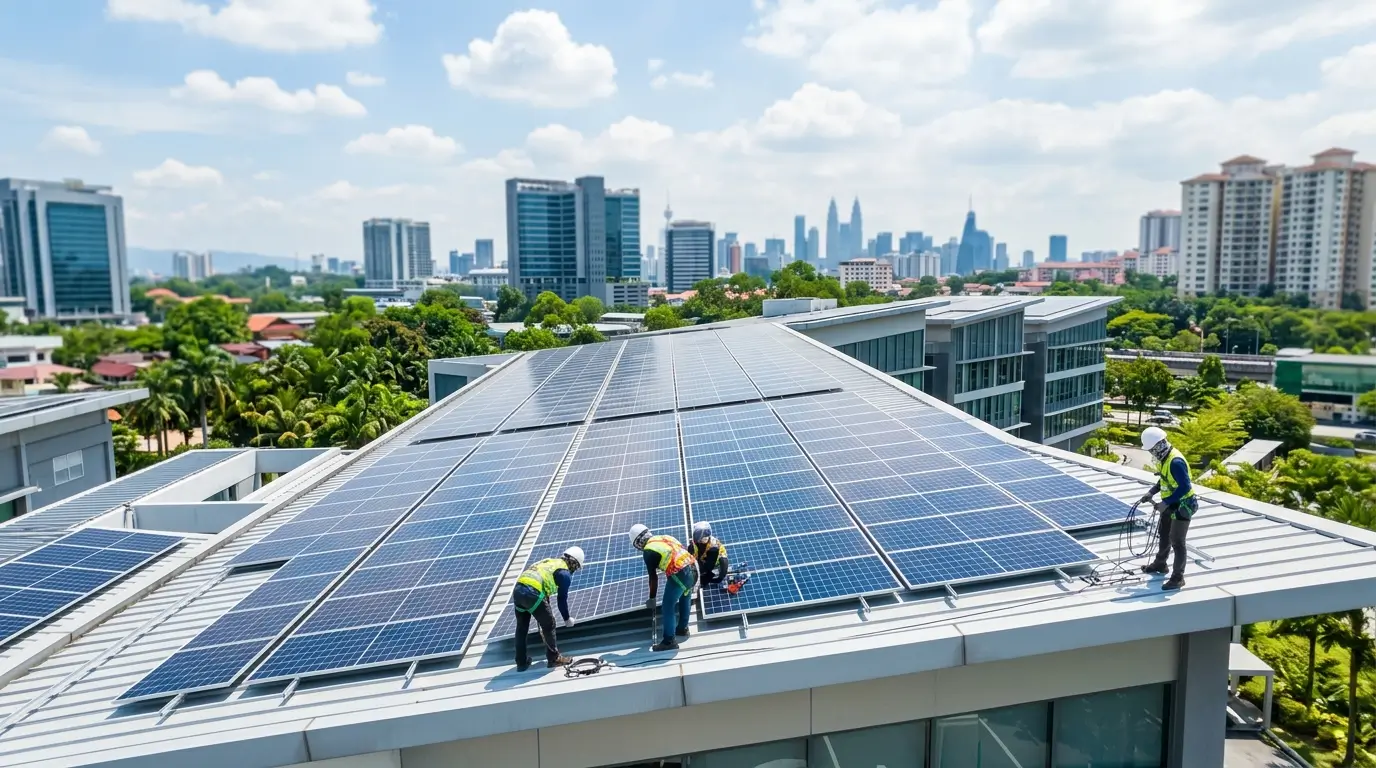
Switching to solar energy has become an increasingly practical option for Malaysians looking to manage electricity costs and adopt renewable energy. Solar ATAP Malaysia, or the Solar Accelerated Transition Action Programme, provides a framework for eligible consumers in Peninsular Malaysia to generate solar electricity for their own use and export surplus energy to the grid, subject to programme requirements. As a CIDB G7-registered solar provider, IPS Technology offers solar engineering, procurement, construction, and commissioning (EPCC) services to support residential, commercial, and industrial solar projects.
What Is the Solar ATAP Programme?
Solar ATAP is a consumer-based rooftop solar programme introduced in Malaysia on 1 January 2026. It allows eligible consumers with a registered Tenaga Nasional Berhad (TNB) electricity account to install solar photovoltaic (PV) systems for self-consumption, while allowing surplus electricity to be exported to the grid under the programme’s applicable rules.
By generating electricity during daylight hours, consumers can use solar power directly at their premises and reduce the amount of electricity they need to import from the grid. Eligible exported energy may also receive bill credits based on the consumer category and the applicable programme requirements. Actual savings depend on the system design, electricity usage, solar generation, export volume, and applicable electricity charges.
Who Can Benefit from Solar ATAP?
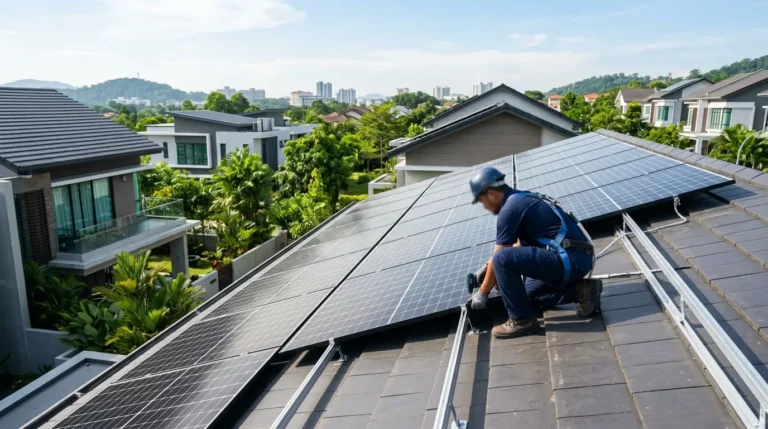
Solar ATAP is designed for eligible domestic and non-domestic electricity consumers in Peninsular Malaysia. The suitability of a solar installation depends on the property’s electricity consumption, available roof space, system capacity, and technical requirements.
| Consumer Category | Typical Application | Potential Benefit |
|---|---|---|
| Domestic | Houses and eligible residential premises | Lower electricity purchases from the grid |
| Commercial | Offices, retail premises, and business facilities | Improved electricity cost management |
| Industrial | Factories and industrial facilities | Reduced grid electricity consumption and support for sustainability goals |
Eligibility, installation capacity, and technical assessment requirements vary by consumer category and system size. Applicants should check the latest Solar ATAP guidelines and obtain the necessary approvals before proceeding with installation and programme registration.
How Solar ATAP Energy Credits Work
Solar ATAP allows eligible consumers to export surplus solar electricity to the grid. The applicable credit for exported electricity depends on the consumer category: domestic consumers receive credits based on the applicable Energy Charge, while non-domestic consumers receive credits based on the Average System Marginal Price (Average SMP), subject to the programme’s rules.
This means exported electricity is not necessarily credited at the same rate as electricity imported from the grid. Consumers should assess their expected solar generation and daytime electricity consumption to understand how the programme may affect their bills. A properly designed system can help increase the amount of solar electricity used directly at the premises and improve overall savings.
Reducing Your Carbon Footprint
Beyond potential electricity cost savings, installing solar panels can help reduce reliance on grid electricity generated from fossil fuels. By adopting renewable energy, homeowners and businesses can contribute to broader sustainability efforts and support their environmental objectives.
How IPS Technology Supports Your Solar Project
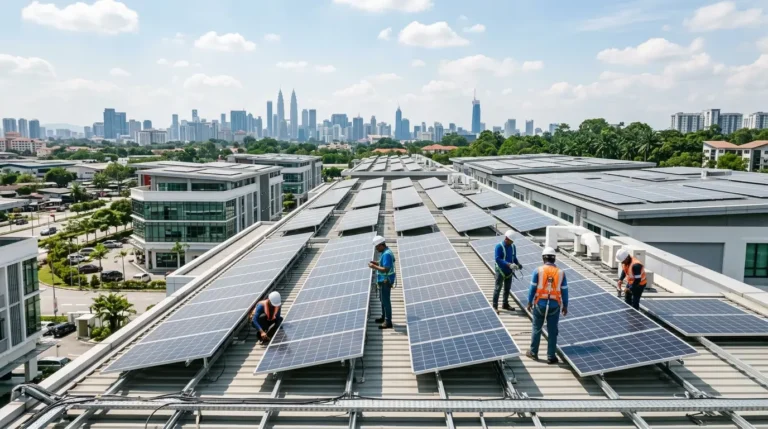
A successful solar installation requires more than mounting panels on a roof. It involves engineering, procurement, construction, electrical compliance, testing, and commissioning. IPS Technology provides solar project services to help customers plan and implement suitable systems based on their site conditions and electricity requirements.
1. Feasibility Studies
Before installation, a feasibility assessment can evaluate roof suitability, potential shading, structural considerations, electricity consumption patterns, and the proposed system capacity. These findings help determine whether a solar installation is suitable for the property and support informed decisions about system sizing and expected performance.
2. Technical Documentation and Application Support
Solar projects may require technical documentation, utility assessments, and approvals depending on the installation capacity and applicable requirements. IPS Technology can support project planning and relevant documentation within the agreed scope of services. Solar ATAP applications must follow the latest requirements set by the relevant authorities and electricity utility provider.
3. Quality Construction and Commissioning
Proper installation and commissioning are essential for safe and reliable solar system operation. IPS Technology provides EPCC services for suitable projects, with attention to installation quality, electrical safety, applicable technical requirements, and system performance.
Long-Term Maintenance and Sustainability
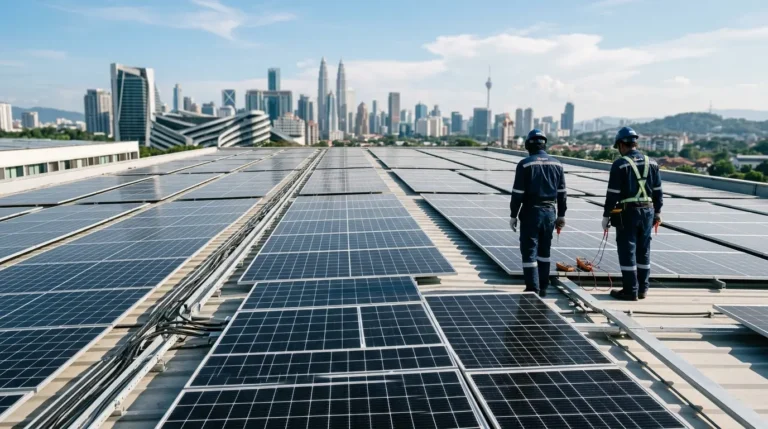
A solar PV system is a long-term investment that benefits from periodic inspection and maintenance. Dust, debris, shading, weather conditions, and equipment faults can affect system performance over time. Maintenance may include panel inspections, electrical checks, inverter monitoring, and performance reviews to help identify issues before they lead to more significant problems.
Before investing in solar energy, consumers should compare their electricity usage, available installation space, system costs, and expected savings. Understanding the applicable Solar ATAP requirements and export credit mechanism can help set realistic expectations. Contact IPS Technology to discuss your site’s suitability and explore solar solutions for your home or business.
Explore More
- See our full range of EPCC, feasibility study, Solar ATAP and maintenance services
- Browse our completed solar projects
- Request a consultation
Frequently Asked Questions
What is Solar ATAP Malaysia?
Solar ATAP, or the Solar Accelerated Transition Action Programme, is a rooftop solar programme implemented in Peninsular Malaysia from 1 January 2026. It allows eligible consumers to generate solar electricity for self-consumption and export surplus electricity to the grid, subject to programme requirements.
Who is eligible to apply for Solar ATAP?
Applicants must meet the programme’s eligibility requirements, including having a registered TNB electricity account. Eligibility may also depend on the consumer category, existing programme registration, installation capacity, and any required technical assessments. Applicants should consult the latest official guidelines before applying.
How does Solar ATAP help reduce electricity bills?
Solar ATAP can help reduce electricity bills by allowing consumers to use solar electricity generated at their premises instead of importing the same amount from the grid. Eligible surplus electricity exported to the grid may also receive bill credits. Domestic credits are based on the applicable Energy Charge, while non-domestic credits are based on the Average SMP, subject to programme rules. Actual savings vary according to electricity usage, solar generation, and the applicable tariff.
Is Solar ATAP the same as an off-grid solar system?
No. Solar ATAP is a grid-connected programme that allows eligible solar PV systems to export surplus electricity to the grid under applicable rules. An off-grid solar system operates independently of the electricity grid and generally requires suitable battery storage and system design to supply electricity when solar generation is insufficient.
Why is CIDB G7 registration important for a solar contractor?
CIDB G7 is the highest contractor grade under Malaysia’s CIDB contractor registration classification and allows registered contractors to undertake construction projects without a specified maximum tender value, subject to applicable registration conditions and project requirements. Customers should verify a contractor’s current registration and relevant capabilities before appointing them.
Does a solar PV system require maintenance?
Yes. Periodic inspections and maintenance can help identify dirt accumulation, shading issues, electrical faults, and equipment problems that may affect system performance. The appropriate maintenance schedule depends on the equipment, site conditions, and manufacturer’s recommendations.
Share on Social Media
More From IPS Insights
Ready to Go Solar ?
Our engineers will help you find the best solution for your needs.
Ready to switch to smarter energy?
Speak to our engineers. We’ll review your site and help you understand the most suitable solar solution for your needs.