
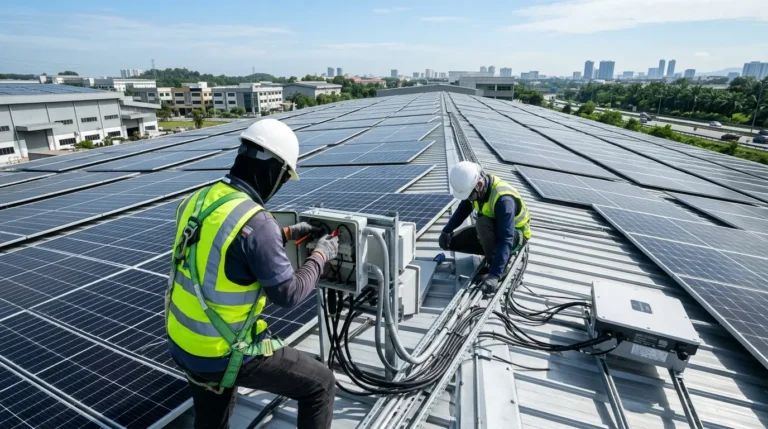
Comprehensive Guide to Choosing and Installing a High-Quality Solar Panel Malaysia
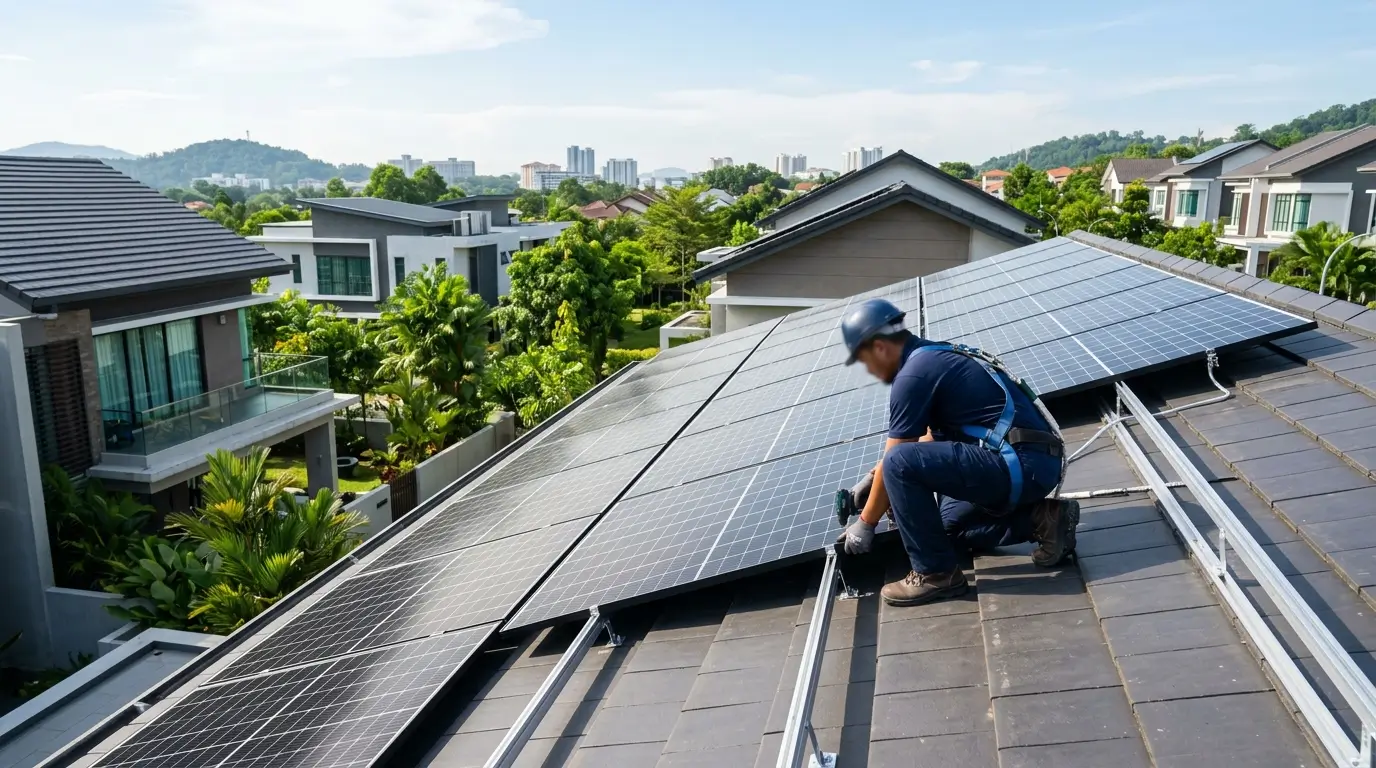
Adopting renewable energy has become a priority for homeowners and businesses across Malaysia, making the search for a reliable solar panel Malaysia solution more relevant than ever. As electricity costs and energy needs change, solar power offers a way to generate electricity on-site, reduce reliance on grid power, and support a lower-carbon future. At IPS Technology, we provide solar-related solutions to help property owners assess, plan, and implement solar PV installations suited to their requirements.
The Advantages of Solar Energy in Malaysia
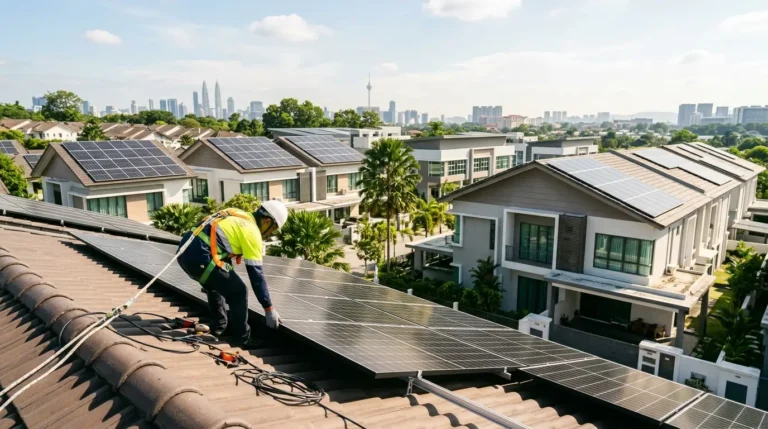
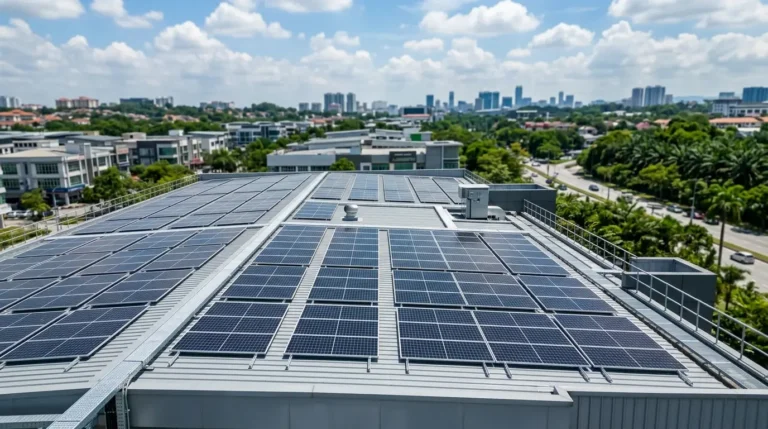
Malaysia receives sunlight throughout the year, making solar power a practical option for many residential and commercial properties. A solar photovoltaic (PV) system generates electricity that can be used directly by the property, reducing the amount of electricity needed from the grid when the system is producing power.
Eligible consumers in Peninsular Malaysia may also participate in the Solar Accelerated Transition Action Programme (Solar ATAP), implemented from 1 January 2026. The programme allows eligible consumers to use solar electricity on-site and export eligible surplus energy to the grid, subject to its technical and programme requirements. The value of export credits depends on the consumer category and applicable rules, so savings should be assessed based on the property’s actual energy usage and system design.
For current eligibility requirements and programme details, visit the official Solar ATAP information page from SEDA Malaysia.
Why Choose an EPCC Expert
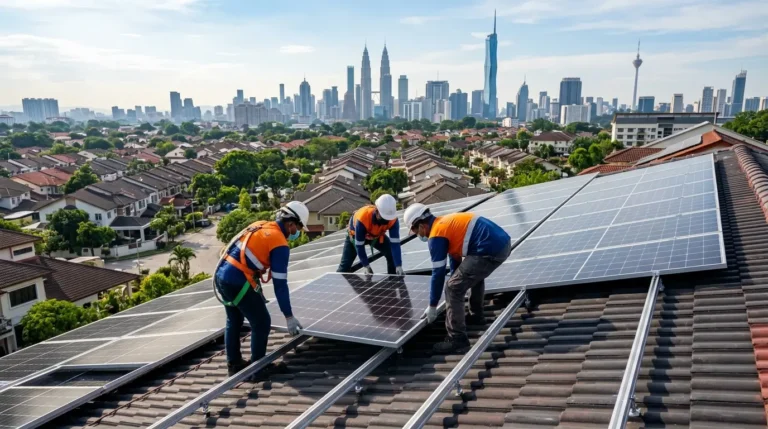
Engineering, Procurement, Construction, and Commissioning (EPCC) covers the key stages of delivering a solar project. A professional EPCC provider can help assess the site, select suitable equipment, coordinate installation, and carry out testing and commissioning according to the agreed project scope and applicable requirements.
IPS Technology is a 100% Bumiputera-owned company with CIDB G7 registration, as stated in its company profile. When choosing a solar contractor, property owners should also check relevant registrations, technical qualifications, project experience, safety practices, warranties, and after-sales support. CIDB registration and registration as a SEDA Malaysia Registered PV Service Provider (RPVSP) are different credentials and should be verified separately.
Key Considerations for Your Installation
Before proceeding with a solar installation, it is important to understand the property’s technical requirements and the applicable regulatory process. A feasibility assessment can help determine whether the roof, electrical supply, and energy consumption profile are suitable for the proposed system.
| Phase | Description |
|---|---|
| Feasibility Study | Assessing roof condition, available space, shading, and electricity consumption patterns. |
| Design and Engineering | Planning system capacity, equipment layout, electrical design, and expected energy generation. |
| Procurement | Selecting suitable solar panels, inverters, mounting structures, and electrical components. |
| Construction | Installing the system using appropriately qualified personnel and suitable safety procedures. |
| Testing and Commissioning | Checking system operation and completing the required testing and technical documentation. |
Understanding Maintenance Needs
Solar PV systems generally require less routine maintenance than many other types of electrical equipment, but they still need periodic checks. Dust, debris, shading, damaged cables, and equipment faults may affect system performance. Maintenance can include monitoring energy generation, inspecting electrical components, checking mounting structures, and cleaning panels when necessary.
Regular monitoring can help identify unexpected drops in energy production. Any electrical inspection or repair should be carried out by appropriately qualified personnel, following the manufacturer’s instructions and applicable safety requirements.
Solar ATAP and Regulatory Requirements
Malaysia’s rooftop solar programme and technical requirements may change over time. Eligible consumers considering Solar ATAP should check the latest programme guidelines, application procedures, system capacity limits, and any required technical assessments before proceeding.
Solar ATAP applications must follow the applicable submission process. SEDA Malaysia states that applicants must appoint a Registered PV Service Provider (RPVSP) for Solar ATAP application submission. Before engaging a contractor for this service, confirm its current registration and the scope of support it can provide.
IPS Technology can discuss solar project requirements, feasibility, installation, and maintenance options with prospective customers. Any application-related assistance should be confirmed against the company’s current registrations and agreed scope of services. For official programme information, refer to the Solar ATAP guidelines published by SEDA Malaysia.
Ultimately, choosing a suitable solar partner involves more than comparing equipment prices. By considering technical suitability, installation quality, applicable programme requirements, warranties, and long-term support, property owners can make a more informed decision about their solar investment. Contact IPS Technology to discuss a solar panel Malaysia solution tailored to your property’s energy needs.
Explore More
- See our solar EPCC, feasibility study, Solar ATAP and maintenance services
- Browse our completed solar projects
- Request a solar consultation
Frequently Asked Questions
What is the primary benefit of installing solar panels in Malaysia?
Solar panels generate electricity on-site, which can reduce the amount of electricity a property needs to draw from the grid. Actual savings depend on system size, daytime energy consumption, installation cost, applicable electricity tariffs, and any eligible export credits.
What does CIDB G7 registration mean for a solar contractor?
CIDB G7 is the highest contractor registration grade under Malaysia’s CIDB grading system. It indicates that a contractor meets the applicable registration requirements for that grade. Customers should still check the contractor’s relevant technical qualifications, project experience, and other registrations required for their specific solar project.
How long do solar panels typically last in Malaysia?
Many solar panels come with performance warranties of 25 years or more. Actual service life and energy output depend on the product, environmental conditions, installation quality, and maintenance. Check the manufacturer’s product warranty and performance guarantee before purchasing.
Does my roof need to be a specific type for solar installation?
Several roof types may be suitable for solar installation, but suitability depends on the roof’s condition, structural capacity, available space, orientation, shading, and mounting requirements. A professional site assessment should be carried out before installation is confirmed.
What is the role of a SEDA Malaysia Registered PV Service Provider?
A SEDA Malaysia Registered PV Service Provider (RPVSP) is a company registered to provide relevant solar PV services. Under Solar ATAP, applicants must appoint an RPVSP for application submission. Customers should verify the provider’s current registration and confirm the services included in their agreement.
What is Solar ATAP in Malaysia?
Solar ATAP stands for Solar Accelerated Transition Action Programme. Implemented from 1 January 2026, it allows eligible consumers in Peninsular Malaysia to generate solar electricity primarily for their own use and export eligible surplus energy to the grid, subject to programme rules and technical requirements.
Share on Social Media
More From IPS Insights
Ready to Go Solar ?
Our engineers will help you find the best solution for your needs.
Ready to switch to smarter energy?
Speak to our engineers. We’ll review your site and help you understand the most suitable solar solution for your needs.