
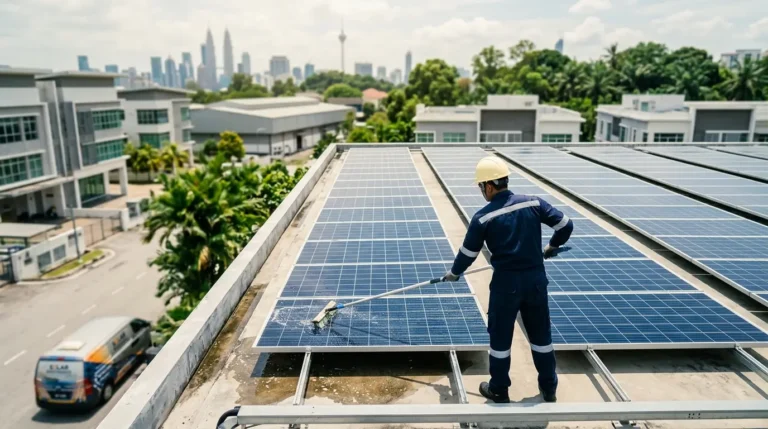
Why a Solar Feasibility Study Malaysia is Crucial for Your Energy Investment
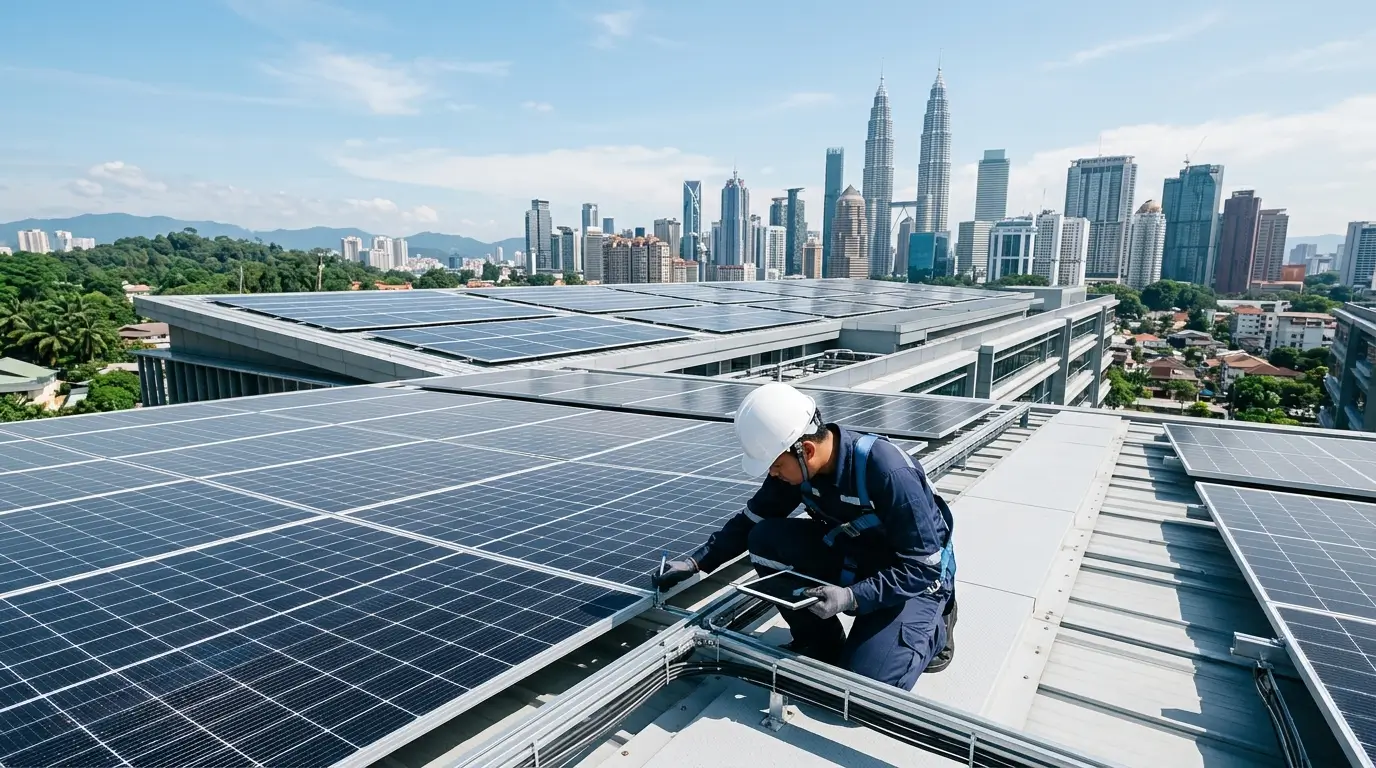
Investing in renewable energy is a significant commitment for any business or homeowner. Before installing photovoltaic (PV) systems, conducting a comprehensive solar feasibility study Malaysia is an important step in assessing technical suitability, expected energy generation, and potential financial returns. As a CIDB G7-registered and SEDA-approved solar service provider, IPS Technology supports clients in evaluating project requirements, identifying potential risks, and planning suitable solar solutions.
What is a Solar Feasibility Study?
A solar feasibility study is a technical and financial evaluation of a property’s potential for solar power generation. It examines factors such as roof condition, solar irradiance, shading patterns, electricity consumption, and grid connection requirements. By assessing these factors, the project team can determine whether a site is suitable for a grid-connected solar system, estimate its potential energy output, and evaluate the expected return on investment based on the proposed system design and applicable electricity arrangements.
The Technical Assessment Phase
The assessment typically begins with a review of electricity bills and consumption patterns to understand when and how much energy the property uses. This information helps determine an appropriate system capacity based on self-consumption needs and the applicable Solar Accelerated Transition Action Programme (Solar ATAP) requirements, where relevant. The assessment may also cover roof condition, structural suitability, shading, inverter placement, electrical infrastructure, and the technical requirements for connecting the proposed system to the grid.
Financial Modeling and ROI
Financial viability is an important consideration when evaluating a solar project. A feasibility study can estimate potential electricity bill savings, system costs, maintenance expenses, and the expected payback period over the system’s operating life. For eligible Solar ATAP projects, the analysis should also account for the applicable credit mechanism for exported electricity. Actual savings and the internal rate of return depend on factors such as installation costs, electricity consumption patterns, solar generation, applicable tariffs, export credits, and future operating expenses.
| Assessment Factor | Impact on Project |
|---|---|
| Roof Orientation | Influences solar exposure and potential energy generation. |
| Shading Analysis | Helps assess energy losses and determine suitable equipment and system configuration. |
| Grid Capacity | Helps determine connection requirements and whether further technical assessment is needed. |
| Load Profile | Identifies electricity consumption patterns to support appropriate system sizing and self-consumption. |
Regulatory Compliance and Safety
Navigating Malaysia’s regulatory requirements requires careful planning and an understanding of the relevant technical standards. A professional solar feasibility study Malaysia helps identify the approvals, technical assessments, and documentation that may be required for the proposed installation. For projects participating in Solar ATAP, applicable programme guidelines, technical assessment requirements, grid connection conditions, and electrical safety requirements must be considered. The exact process depends on factors such as system capacity, connection type, and customer category.
Why Choose IPS Technology
As a Bumiputera-owned company with CIDB G7 registration, IPS Technology brings local experience to solar projects across different sectors. Whether you are planning an installation for a residential property, industrial facility, or government building, a feasibility assessment helps establish the project’s technical requirements, potential costs, and expected performance before major investment decisions are made. Our solar services cover feasibility studies, engineering design, procurement, construction, and commissioning, subject to the agreed project scope.
Maximizing System Performance
Once the feasibility study is complete, its findings can guide the detailed design, procurement, and installation stages. A well-prepared report helps the project team understand site constraints, select suitable equipment, plan grid connection requirements, and identify potential issues before construction begins. Although a feasibility study cannot eliminate every project risk, it can reduce uncertainty, support more informed decisions, and help keep the project aligned with its agreed budget and timeline.
Understanding your site’s potential is the first step towards making an informed decision about solar energy. By conducting a thorough solar feasibility study Malaysia, you can evaluate the suitability of your property, estimate potential savings, and plan an installation that meets your energy requirements. Contact IPS Technology to discuss your site assessment and explore suitable solar solutions for your property or facility.
Explore More
- See our full range of EPCC, feasibility study, Solar ATAP and maintenance services
- Browse our completed solar projects
- Request a consultation
Frequently Asked Questions
What is included in a solar feasibility study?
A solar feasibility study may include a roof and structural assessment, shading analysis, electricity consumption review, estimated energy generation, financial projections, and an assessment of grid connection requirements. The exact scope depends on the site, project size, and services agreed with the provider.
Why is a feasibility study necessary for commercial solar?
Commercial solar projects can involve substantial capital investment. A feasibility study helps determine an appropriate system capacity based on the property’s electricity consumption, operating schedule, roof conditions, and connection requirements. It also estimates potential savings and payback periods, including applicable Solar ATAP export credits where relevant.
Does IPS Technology conduct feasibility studies for residential clients?
IPS Technology provides solar-related services for different types of properties and projects. Contact the team to confirm the availability and scope of a feasibility assessment for your residential, commercial, industrial, or government project.
How long does a feasibility study take?
The duration depends on the site’s size and complexity, the availability of electricity consumption data, and whether additional structural or grid connection assessments are required. A timeline can be confirmed after the project scope and information requirements have been reviewed.
Is a feasibility study required for Solar ATAP applications?
A separate document called a feasibility study is not necessarily a mandatory submission for every Solar ATAP project. However, technical and financial assessments can help determine system suitability and identify applicable requirements before proceeding. Depending on the proposed installation capacity and connection type, a technical assessment by the electricity utility company may also be required. Applicants should check the latest Solar ATAP guidelines and applicable submission requirements before proceeding.
Share on Social Media
More From IPS Insights
Ready to Go Solar ?
Our engineers will help you find the best solution for your needs.
Ready to switch to smarter energy?
Speak to our engineers. We’ll review your site and help you understand the most suitable solar solution for your needs.