
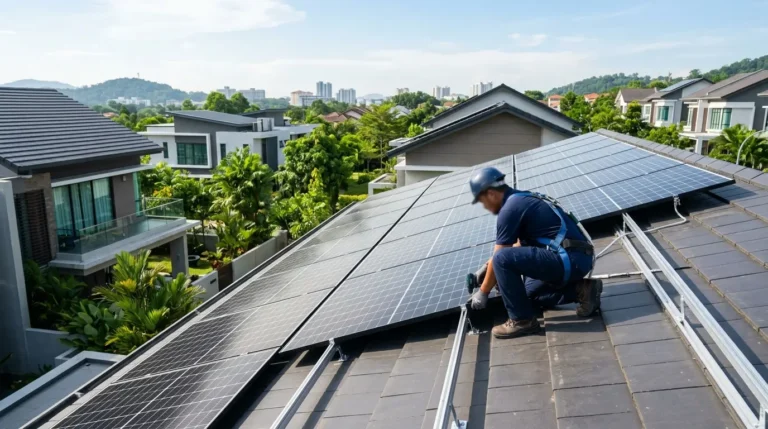
Understanding Solar Panel Price Malaysia: A Complete Guide for Homeowners and Businesses
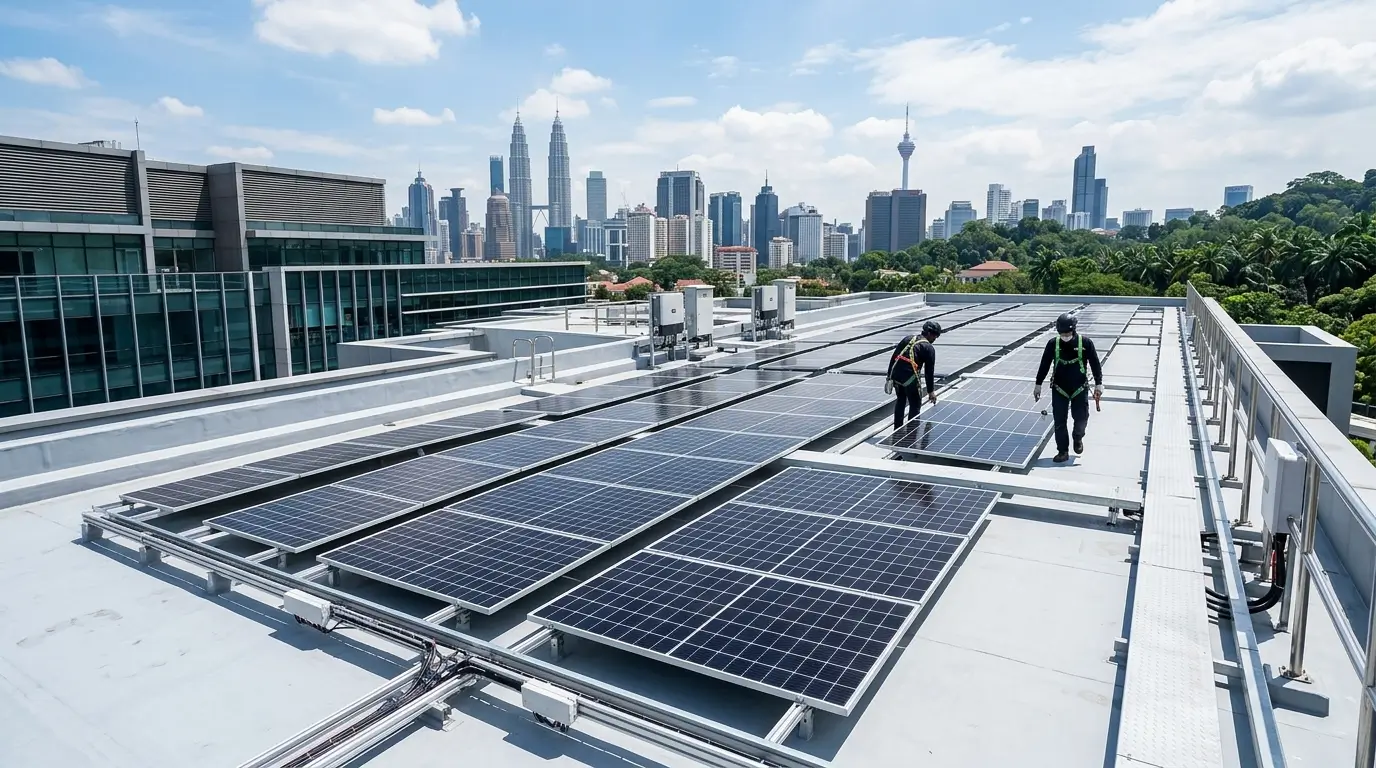
Understanding Your Investment in Solar Energy
As electricity tariffs evolve in Malaysia, many property owners are turning to renewable energy to offset rising utility bills. If you are researching a move toward sustainability, the most common inquiry is regarding the total solar panel price Malaysia homeowners and businesses should expect. Transitioning to solar energy is a significant financial decision, and understanding how costs are calculated will help you make an informed choice for your property.
At IPS Technology, we believe that transparency is the first step toward a successful installation. Whether you are looking at a small residential setup or a large scale commercial system, the total investment is influenced by various technical and logistical factors. As a CIDB G7-registered and SEDA-certified company, we prioritize quality engineering to ensure your system provides long-term value.
Key Factors Influencing Installation Costs
The price of a solar PV system is rarely a flat rate because every roof and energy profile is unique. Several variables determine the final quote you receive from an EPCC provider.
1. System Capacity and Size
The most significant driver of cost is the size of the system, measured in kilowatts peak (kWp). A larger system requires more panels, more mounting structures, and a more robust inverter. While a larger system costs more upfront, it often provides a better return on investment through higher monthly electricity savings.
2. Equipment Quality and Technology
Not all solar panels are created equal. Tier 1 monocrystalline panels, for instance, offer better efficiency and longevity compared to budget alternatives. Additionally, the type of inverter used (string inverter versus micro-inverters) and the quality of the mounting hardware play a role in the total investment.
3. Site Condition and Structural Requirements
Your roof orientation, shading profile, and structural integrity affect the labor and materials needed. If your roof requires extra strengthening or if the installation requires complex electrical rewiring, these factors will be reflected in the final quotation.
Typical Price Estimates for Residential Solar
While quotes vary, the following table provides a general overview of the investment scale for typical residential grid-connected systems in Malaysia.
| System Size (kWp) | Typical Home Type | Estimated Investment Range |
|---|---|---|
| 3 kWp – 5 kWp | Terrace Houses | RM 12,000 – RM 18,000 |
| 6 kWp – 10 kWp | Semi-D / Bungalow | RM 19,000 – RM 30,000 |
| 12 kWp+ | Large Property | RM 35,000+ |
Please note that these figures are estimates and exclude specific site-related add-ons. It is essential to consult with a SEDA-certified contractor to receive an accurate assessment for your specific premises.
The Value of EPCC Services
Choosing an EPCC provider like IPS Technology ensures that every stage of your project is managed professionally. We handle everything from feasibility studies and NEM 3.0 application support to final commissioning. By bundling these services, we help clients avoid hidden costs and ensure that the system is optimized for maximum energy generation.
Long-Term Savings and Maintenance
The true measure of a solar project is not just the initial cost, but the total cost of ownership. Proper maintenance is vital to keep your system efficient. Our team provides routine maintenance services to ensure your panels stay clean and your inverter continues to function at peak performance, protecting your solar investment for decades.
Making the Right Choice
When comparing quotes, avoid choosing solely based on the lowest initial price. A solar system is intended to last for 25 years or more. Low-quality components or poor installation practices can lead to higher maintenance costs and reduced output. Always verify that your provider holds the necessary CIDB G7 credentials and has a proven track record of successful installations. IPS Technology is proud to be 100% Bumiputera-owned, bringing integrity and local expertise to every project we undertake. By focusing on high-quality equipment and expert installation, you can maximize your savings and enjoy a reliable energy source. We invite you to contact us today to discuss your energy needs and receive a transparent breakdown of the solar panel price Malaysia market standards demand for your specific installation.
Explore More
- See our full range of EPCC, feasibility study, ATAP and maintenance services
- Browse our completed solar projects
- Request a free consultation
Frequently Asked Questions
What is the NEM 3.0 programme in Malaysia?
Net Energy Metering (NEM) 3.0 is a government initiative that allows solar PV owners to export excess energy generated back to the national grid on a one-to-one offset basis.
What does CIDB G7 registration mean for a solar contractor?
A CIDB G7 registration indicates that a company is authorized to tender for and execute large-scale construction and engineering projects without a financial limit on project value.
How long do solar panels typically last?
Most high-quality solar panels are warranted for 25 years, though many remain operational and productive well beyond this period if maintained correctly.
Is solar power effective during cloudy weather in Malaysia?
Yes, solar panels still generate electricity on cloudy days by capturing diffused sunlight, although the total energy output will be lower compared to a clear, sunny day.
What is included in the solar EPCC service?
EPCC stands for Engineering, Procurement, Construction, and Commissioning. It covers the entire project lifecycle from site assessment and design to sourcing components, physical installation, and grid interconnection.
Share on Social Media
More From IPS Insights
Ready to Go Solar ?
Our engineers will help you find the best solution for your needs.
Ready to switch to smarter energy?
Speak to our engineers. We’ll review your site and help you understand the most suitable solar solution for your needs.