
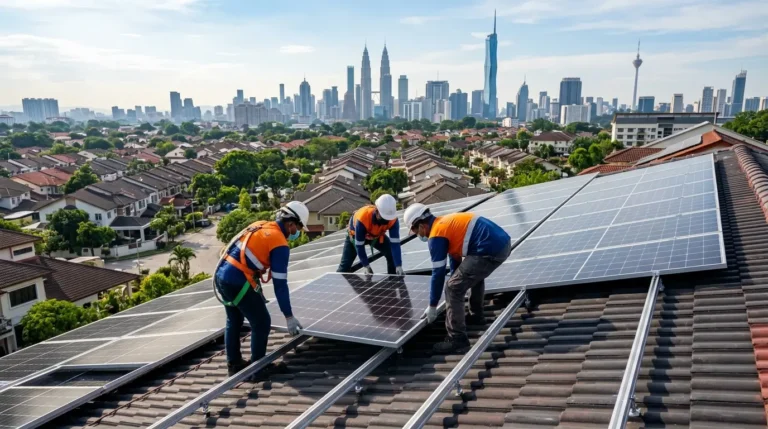
How to Choose a Solar Contractor in Malaysia: A Checklist
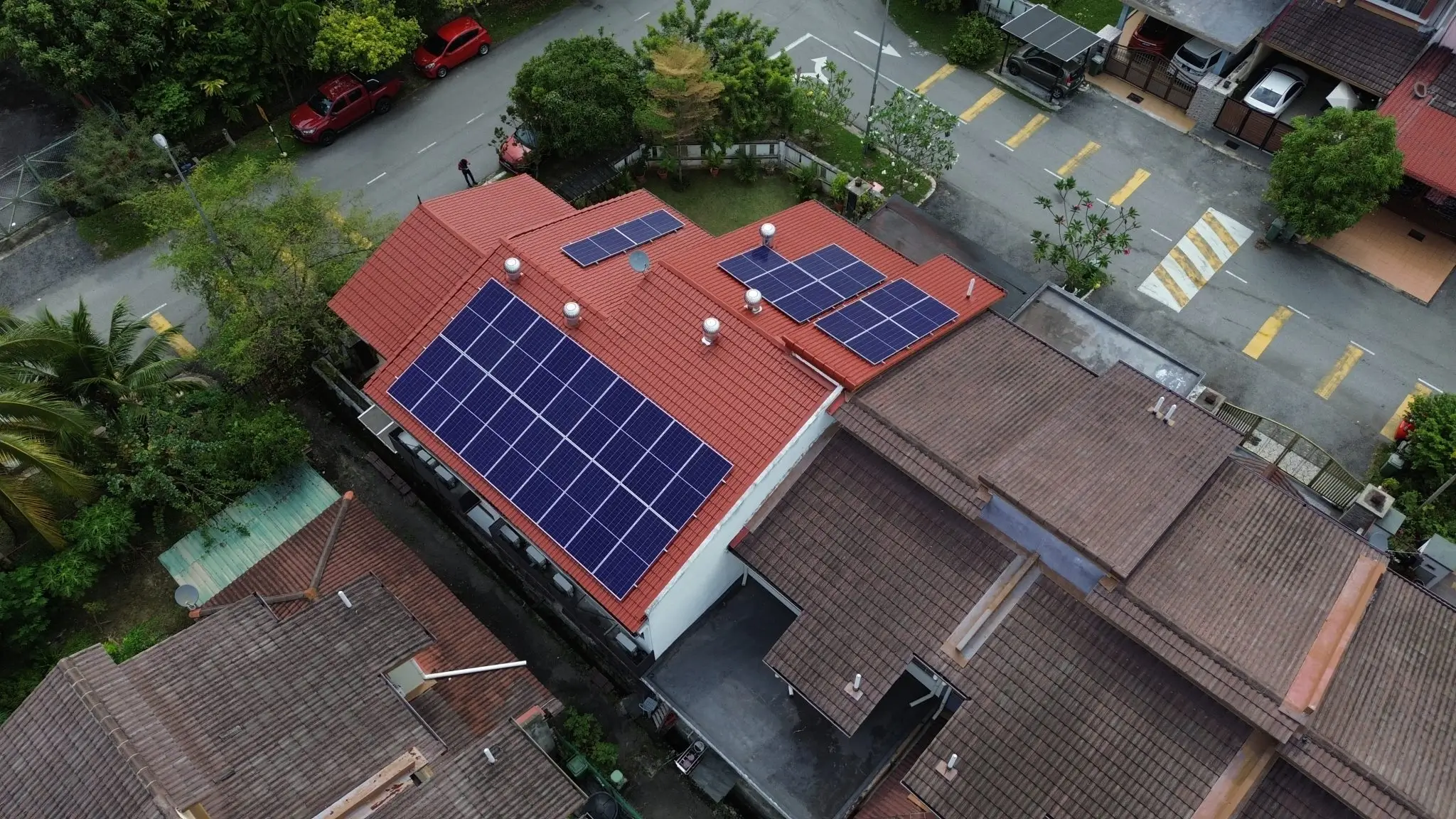
Choosing a solar contractor is the decision that most affects how your system performs over the next 20 years or more. Panels and inverters can be compared on a spec sheet, but design quality, installation work and after-sales support depend on the company you hire. This checklist covers what to verify before you sign. If you want to understand what an EPCC contractor actually does, start with our EPCC guide.
1. Check Their Registrations
Ask for copies of the contractor’s registrations and check that they are current:
- SEDA Malaysia registration as a PV service provider, needed for Solar ATAP applications. See why a SEDA approved solar contractor matters.
- CIDB registration with a grade that suits your project size. Larger commercial and industrial projects often call for a CIDB G7 contractor.
- Registered electrical contractor and competent person under Suruhanjaya Tenaga for the electrical installation and testing.
2. Look at Their Track Record
Ask for examples of projects similar to yours in size and property type, whether that is a home, a factory roof or a commercial building. A contractor that is confident in its work will share references and, where possible, arrange a visit to a completed site. You can browse our own completed solar projects as an example of what to ask for.
3. Expect a Site Assessment Before the Quote
A reliable quote is based on your roof, shading, electrical setup and electricity bills, not on a phone call. Be cautious of a firm price given without a site visit. Here is what a proper solar feasibility study should cover.
4. Compare Quotes Like for Like
Quotes are only comparable when they describe the same system. Check that each one lists:
| Item | What to look for |
|---|---|
| System size | Capacity in kWp, sized to your daytime consumption |
| Equipment | Brand and model of panels, inverter and mounting system |
| Estimated generation | Expected yearly output in kWh and how it was calculated |
| Warranties | Product, performance, inverter and workmanship terms |
| Scope of work | Design, installation, testing, Solar ATAP application and any TNB assessment fees |
| Payment terms | Deposit amount and payments linked to project milestones |
5. Read the Warranty and After-Sales Terms
Solar warranties come in layers. Panels usually carry a product warranty and a separate performance warranty on output, the inverter has its own warranty, and the installer should give a workmanship warranty on the installation itself. Ask who you contact if something fails and what maintenance support is available after handover.
6. Confirm Who Handles the Solar ATAP Application
Under Solar ATAP, the application is prepared and submitted by a registered PV service provider after installation is complete. Confirm that this is included in the quote. Our guide to Solar ATAP eligibility and how to apply explains the steps.
7. Watch for Red Flags
- Savings or payback promises that sound too good, with no calculation behind them
- A quote given without any site visit
- Pressure to sign the same day or “limited time” pricing
- A large upfront payment before any work starts
- Equipment described only as “Tier 1” with no brand or model
- No written warranty or contract
Questions to Ask Before You Sign
- Can I see your SEDA and CIDB registration certificates?
- Who will carry out the installation: your own team or subcontractors?
- What output will the system produce in the first year, and how did you calculate it?
- What happens if the system underperforms?
- Who do I contact for service after handover, and how quickly do you respond?
Working With IPS Technology
IPS Technology provides solar EPCC services for homes, businesses and industrial sites, from feasibility to commissioning and maintenance. Find out more about choosing IPS as your solar company, or contact the team to arrange a site assessment.
Explore More
- See our full range of EPCC, feasibility study, Solar ATAP and maintenance services
- Browse our completed solar projects
- Request a consultation
Frequently Asked Questions
What registrations should a solar contractor in Malaysia have?
At minimum, check SEDA Malaysia registration as a PV service provider, a CIDB registration with a grade that suits your project size, and a registered electrical contractor with a competent person for the electrical work.
How many solar quotes should I get?
Two or three quotes are usually enough to compare. Make sure each one is based on a site assessment and lists the system size, equipment models, warranties and full scope of work.
Is the cheapest solar quote a bad sign?
Not always, but check what has been left out. A lower price can mean smaller capacity, different equipment, or items such as permits, the Solar ATAP application or maintenance being excluded.
What warranties should a solar installation include?
Ask for the panel product warranty, the panel performance warranty, the inverter warranty and the installer’s own workmanship warranty, in writing, with the claim process explained.
Should my contractor handle the Solar ATAP application?
It helps. A registered PV service provider normally prepares the documents and submits the application after installation, so confirm this is included in the quote.
Share on Social Media
More From IPS Insights
Ready to Go Solar ?
Our engineers will help you find the best solution for your needs.
Ready to switch to smarter energy?
Speak to our engineers. We’ll review your site and help you understand the most suitable solar solution for your needs.