
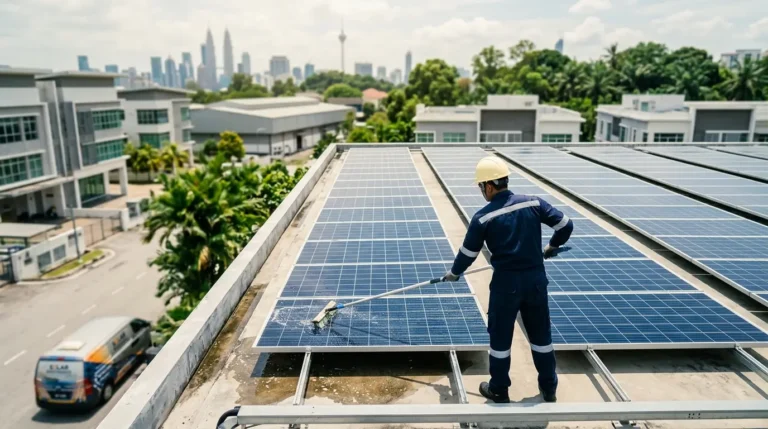
Optimizing Solar Panel Placement for Maximum Efficiency in Malaysian Homes
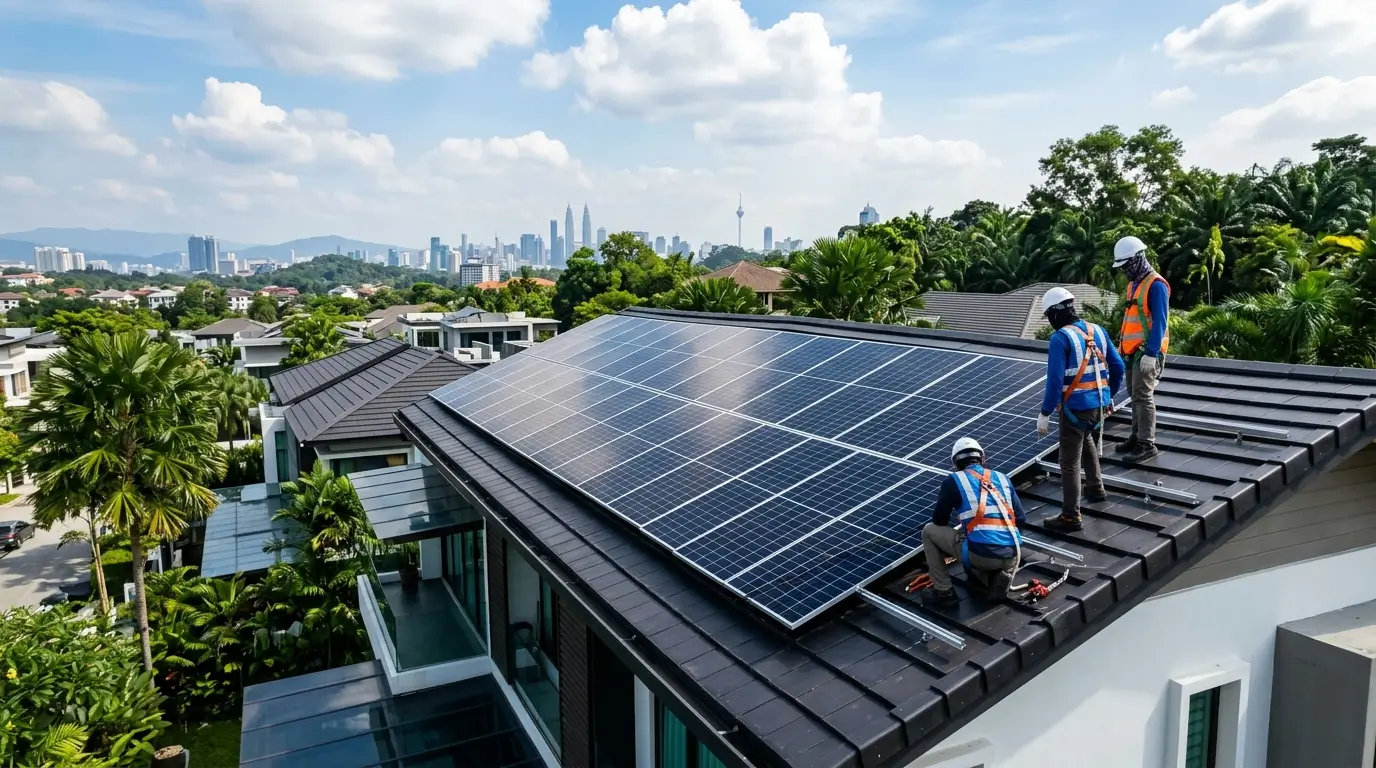
Understanding Site Constraints for Residential Solar
When you decide to transition to renewable energy, the physical layout of your home plays a critical role in your system’s performance. Many homeowners assume that simply mounting panels on the roof is enough, but achieving optimal output requires a detailed look at your specific property conditions. By panduan lengkap pemasangan solar panel rumah for your property, you can ensure that your system is designed for high performance from day one.
Focusing on optimizing solar panel placement for maximum efficiency is the most effective way to ensure your investment delivers consistent energy production over its multi-decade lifespan. Factors such as roof pitch, geographical orientation, and local obstacles all dictate how much sunlight your panels will actually capture during peak daylight hours in the Malaysian climate.
The Role of Roof Orientation in Malaysia
In Malaysia, which is located near the equator, the sun follows a path that transitions from the east to the west, remaining relatively high in the sky throughout the year. Because of this, a south-facing roof is generally considered the gold standard for solar installations. However, even if your roof does not face perfectly south, modern solar technology is flexible enough to provide excellent returns.
A north-facing roof can still be viable, though it may require a steeper tilt angle or a larger system size to compensate for the reduction in direct irradiance. Before settling on a design, it is essential to have a professional feasibility study conducted to map out exactly how your specific orientation will affect your daily energy yield.
Managing Shade and Obstructions
Shade is the biggest enemy of solar productivity. Even a small amount of shade cast by a nearby tree, an adjacent building, or even a water tank can lead to significant drops in energy generation. Solar panels are usually connected in strings, and when one cell is shaded, the output of the entire string can be hampered. This is why site assessment is a core part of being a SEDA approved solar contractor.
Types of Shade to Consider
| Shade Source | Impact Level | Mitigation Strategy |
|---|---|---|
| Mature Tree Foliage | High | Regular pruning or avoiding placement near the canopy. |
| Building Infrastructure | Medium to High | Strategic module placement on clear roof sections. |
| Aerial/Antenna/Pipes | Low to Medium | Relocation of minor roof furniture before installation. |
Integrating Technology for Better Results
When environmental factors like partial shading are unavoidable, homeowners can look into using micro-inverters or power optimizers. These devices allow each panel to operate independently, ensuring that shading on one panel does not drag down the performance of the entire system. This technical approach is a key part of optimizing solar panel placement for maximum efficiency in complex residential settings where traditional string inverters might struggle.
Furthermore, proper maintenance is vital. Dust, leaves, and bird droppings can simulate the effect of shading by blocking sunlight from reaching the photovoltaic cells. Following the advice in our essential guide to professional solar panel maintenance, you can ensure your panels remain clear and perform at peak capacity throughout the year.
Conclusion
Maximizing the output of your solar investment is not just about the quality of the hardware you choose, but also how intelligently you position it on your roof. By carefully evaluating orientation, addressing potential shading issues, and utilizing the right technical components, you can ensure your system provides substantial relief on your utility bills. Whether you are preparing for the Solar ATAP programme or simply investing in energy independence, taking the time to focus on optimizing solar panel placement for maximum efficiency will yield significant long-term financial and environmental benefits.
Explore More
- See our full range of EPCC, feasibility study, ATAP and maintenance services
- Browse our completed solar projects
- Request a free consultation
Frequently Asked Questions
Which direction is best for solar panels in Malaysia?
Due to Malaysia’s location near the equator, a south-facing roof is generally ideal for capturing maximum solar radiation. However, east and west orientations can also be highly productive with the right system design.
Can I install solar panels if my roof is partially shaded?
Yes, but efficiency may be impacted. Professionals often use micro-inverters or power optimizers to mitigate the performance drop caused by partial shading on specific panels.
Does roof material affect solar panel installation?
The material matters in terms of mounting techniques and load-bearing capacity. Professional installers will assess your roof structure to ensure it can safely support the solar array.
Does shading affect the Solar ATAP programme application?
Shading affects your system’s efficiency and potential energy production. While it does not disqualify you from the programme, an efficient, unshaded system is essential to maximizing the financial benefits of the energy credits.
How do I know if my roof is suitable for solar?
A qualified PV Service Provider will conduct a site feasibility study that includes an analysis of your roof’s tilt, orientation, and any potential shading obstructions to confirm your property’s suitability.
Share on Social Media
More From IPS Insights
Ready to Go Solar ?
Our engineers will help you find the best solution for your needs.
Ready to switch to smarter energy?
Speak to our engineers. We’ll review your site and help you understand the most suitable solar solution for your needs.