
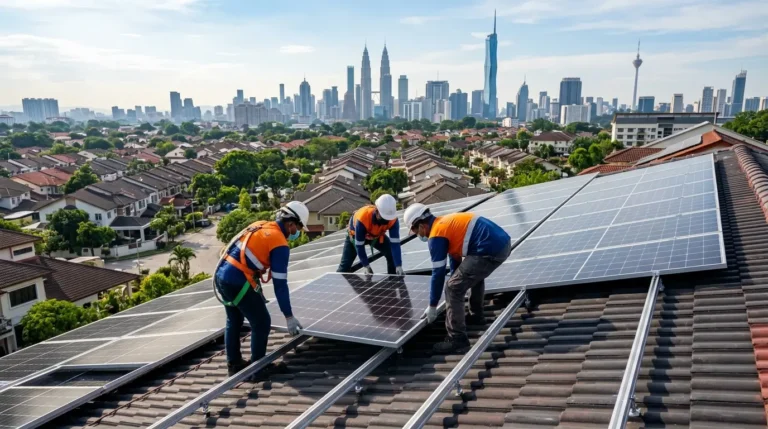
A Comprehensive Guide to Solar Energy Malaysia
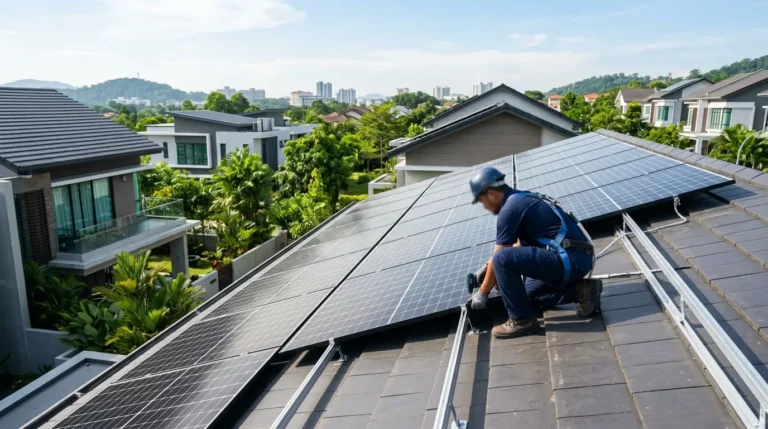
The shift toward sustainable power is accelerating, and solar energy Malaysia is becoming an important part of the country’s transition toward cleaner electricity. Homeowners and businesses are increasingly considering solar photovoltaic (PV) systems to reduce their reliance on grid electricity, manage energy costs, and lower their carbon footprint. With Malaysia’s tropical climate and abundant sunlight throughout the year, rooftop solar offers opportunities for both residential and commercial properties.
Understanding the Benefits of Solar Adoption
Solar power can help property owners generate electricity where it is consumed. When a solar PV system produces electricity during the day, the property can use that energy directly and draw additional electricity from the grid when needed. The actual savings depend on factors such as electricity consumption patterns, system size, roof conditions, installation costs, and the applicable electricity tariff.
Eligible consumers in Peninsular Malaysia may also consider the Solar Accelerated Transition Action Programme (Solar ATAP), which began on 1 January 2026. The programme allows consumers to generate solar electricity primarily for their own use and export eligible surplus energy to the grid, subject to the programme’s requirements. Export credits depend on the consumer category and applicable programme rules; they should not be assumed to provide a universal one-to-one offset.
For the latest eligibility requirements and programme details, refer to the official Solar ATAP information from SEDA Malaysia.
Key Components of a Quality Solar Installation
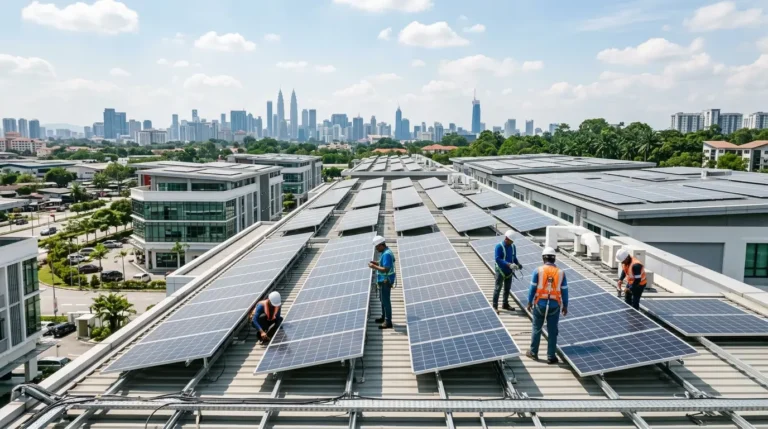
A successful solar project involves more than installing panels on a roof. It requires proper planning, engineering, equipment selection, installation, testing, and commissioning. A professional Engineering, Procurement, Construction and Commissioning (EPCC) provider can coordinate these stages and help ensure that the system is designed around the property’s energy needs and applicable technical requirements.
When selecting a solar contractor, check the company’s relevant registrations, qualifications, project experience, safety practices, and ability to provide after-sales support. Where required, consumers participating in Solar ATAP must appoint a SEDA Malaysia Registered PV Service Provider (RPVSP) for application submission. Verify the provider’s current registration and the scope of services it is authorised to perform.
Engineering and Feasibility Studies
Before purchasing equipment, a feasibility study helps assess whether a property is suitable for solar installation. This may include reviewing roof condition and available space, shading, electricity bills, daytime consumption, system capacity, and estimated financial returns. Depending on the proposed system and connection requirements, a technical assessment may also be necessary.
Good planning helps determine an appropriate system size and reduces the risk of installing more capacity than the property can use effectively. Financial projections should be based on realistic assumptions about energy generation, electricity consumption, export credits, maintenance, and equipment performance.
The Role of Professional EPCC Providers
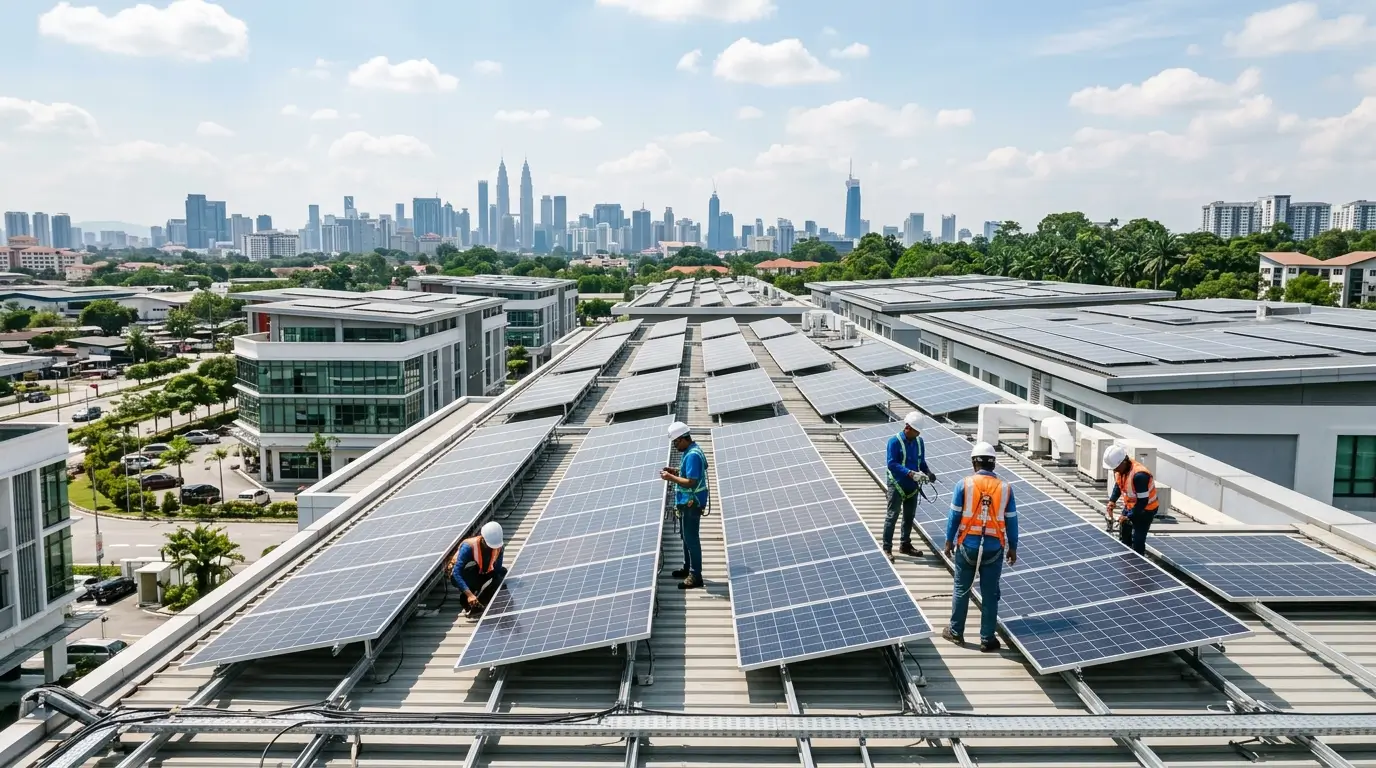
A solar EPCC provider coordinates the main stages of a project, from engineering and equipment procurement to construction, testing, and commissioning. Depending on the project scope and the provider’s qualifications, support may also include technical documentation, coordination with relevant authorities or utilities, and assistance with applicable programme requirements.
For Solar ATAP projects, the applicable application process and technical requirements must be followed. Consumers should confirm the provider’s registration status and agree on the scope of work before appointing a contractor. Working with a suitably qualified provider can help make the project more organised and reduce avoidable delays.
Comparative Overview of Solar Solutions
Solar installations can serve different purposes depending on the property, energy demand, and project objectives. The following table provides a general overview of common applications.
| Category | Typical Application | Primary Consideration |
|---|---|---|
| Residential | Landed homes and suitable residential properties | Reducing grid electricity use and managing household bills |
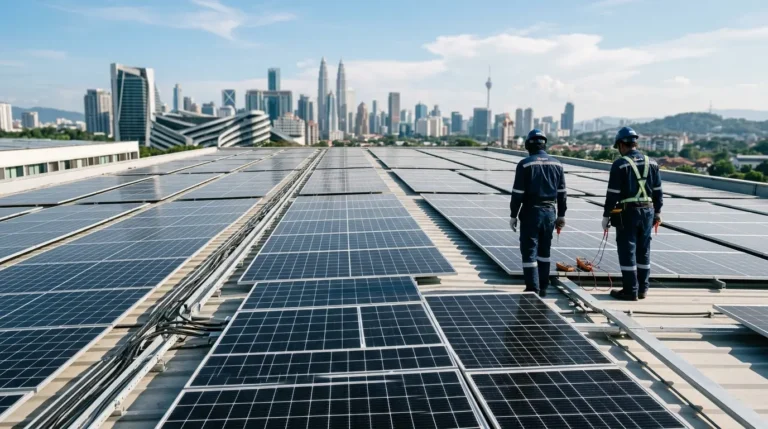
| Commercial | Offices, retail premises, and warehouses | Matching solar generation with daytime electricity demand |
| Industrial | Factories and industrial facilities | Managing substantial energy demand and evaluating project returns |
| Government and Institutional | Eligible public buildings and institutional facilities | Assessing energy requirements, technical suitability, and applicable procurement rules |
Maintaining Your Solar System
Regular maintenance helps keep a solar PV system operating safely and efficiently. Dust, debris, shading, loose connections, and equipment faults may affect system performance over time. Maintenance can include visual inspections, monitoring system output, checking electrical components, and cleaning panels when necessary and safe to do so.
Owners should follow the manufacturer’s recommendations and arrange inspections or repairs through appropriately qualified personnel. Monitoring energy production can also help identify unusual drops in performance that may require further investigation.
The Importance of Quality Components
Solar system performance depends on the quality and compatibility of its components, including PV modules, inverters, mounting structures, cabling, and protection devices. When comparing quotations, review product specifications, applicable certifications, warranties, installation workmanship, and after-sales support rather than focusing on the lowest upfront price alone.
Solar panels are generally designed for long-term operation, often with performance warranties spanning 25 years or more. However, the actual lifespan and energy output depend on the product, operating conditions, installation quality, and maintenance. Check the specific product warranty and performance guarantee before making a purchase.
Navigating Solar Programmes and Incentives
Malaysia’s solar policies and incentives may change over time, so homeowners and businesses should check the latest official requirements before committing to a project. Solar ATAP is one programme available to eligible consumers in Peninsular Malaysia. Its requirements, system capacity limits, technical assessments, and export credit arrangements depend on the relevant programme guidelines and consumer category.
Businesses may also wish to explore applicable green technology tax incentives or other support measures. Eligibility, qualifying expenditure, application periods, and approval conditions vary. Refer to the relevant government agency, including the Malaysian Investment Development Authority (MIDA), for current information before including any incentive in a project budget.
Choosing a qualified solar EPCC provider can help property owners assess their options and plan an installation that suits their needs. IPS Technology provides solar-related services, including feasibility assessment, installation, and maintenance support. Contact the team to discuss your property, electricity usage, and project requirements.
Explore More
- See our solar EPCC, feasibility study, Solar ATAP and maintenance services
- Browse our completed solar projects
- Request a solar consultation
Frequently Asked Questions
What is Solar ATAP in Malaysia?
Solar ATAP stands for Solar Accelerated Transition Action Programme. Implemented from 1 January 2026, it allows eligible consumers in Peninsular Malaysia to generate solar electricity primarily for their own use and export eligible surplus energy to the grid, subject to programme requirements and applicable technical conditions.
Can solar panels reduce my electricity bill?
Solar panels can reduce the amount of electricity a property needs to draw from the grid. The potential savings depend on the system size, when electricity is used, solar generation, installation cost, applicable tariff, and any eligible export credits. A site-specific assessment is recommended before estimating savings.
Why is it important to choose a qualified solar contractor?
A qualified contractor can help assess the property, design a suitable system, follow applicable safety and technical requirements, and coordinate installation and commissioning. For Solar ATAP application submission, consumers should verify that their appointed provider is listed as a SEDA Malaysia Registered PV Service Provider (RPVSP), as required by the programme.
How long do solar panels typically last?
Solar panels are designed for long-term use, and many products come with performance warranties of 25 years or more. Actual performance and lifespan vary by product, installation quality, environmental conditions, and maintenance. Always check the manufacturer’s warranty for the specific panels being offered.
Does Malaysia receive enough sunlight for solar panels?
Malaysia’s tropical location provides sunlight throughout the year, making solar PV suitable for many properties. However, actual energy generation depends on factors such as weather, shading, roof orientation, panel angle, system design, and equipment performance.
What is a solar EPCC company?
An EPCC company coordinates Engineering, Procurement, Construction, and Commissioning for a solar project. Its scope may include system design, equipment supply, installation, testing, and commissioning, depending on the agreed contract and the provider’s qualifications.
Share on Social Media
More From IPS Insights
Ready to Go Solar ?
Our engineers will help you find the best solution for your needs.
Ready to switch to smarter energy?
Speak to our engineers. We’ll review your site and help you understand the most suitable solar solution for your needs.