A Complete Guide to Understanding NEM 3.0 Malaysia Solar Incentives
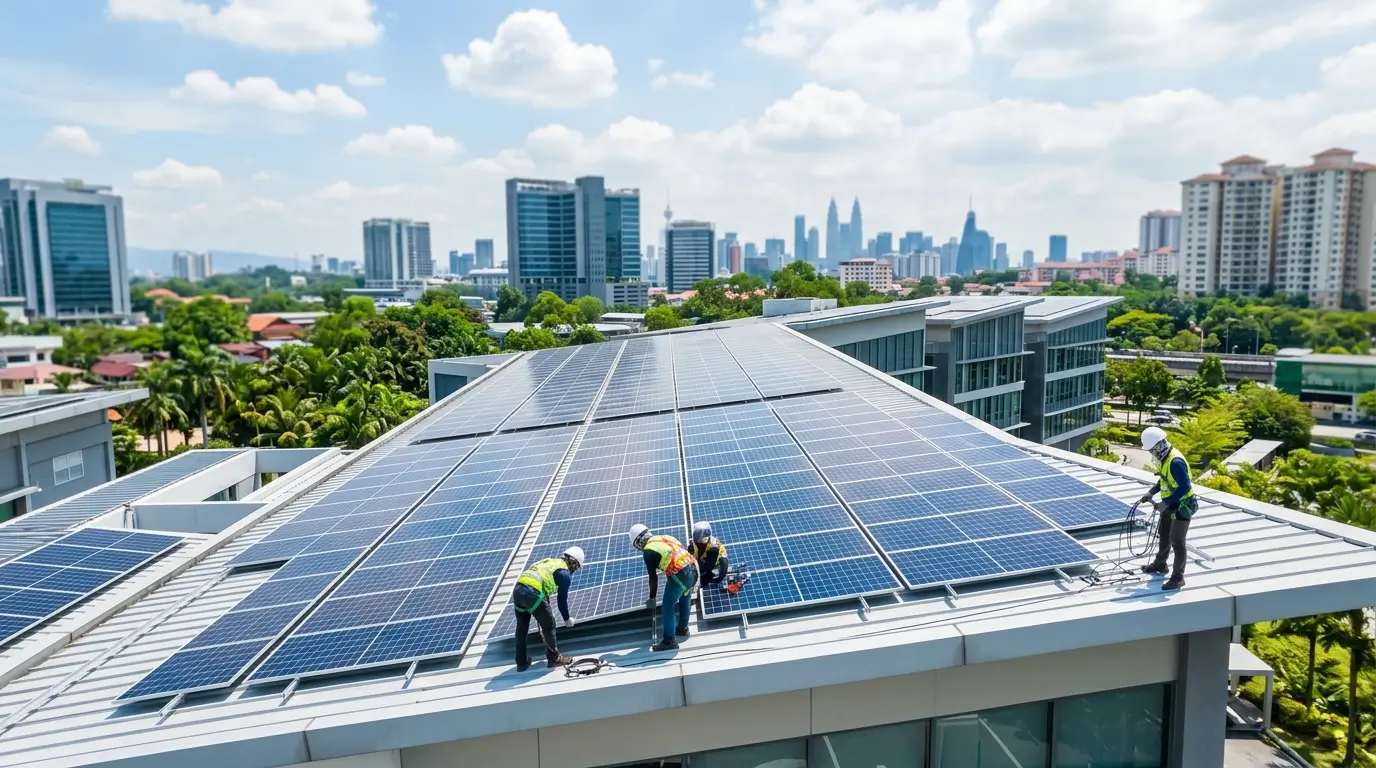
Switching to solar energy has become an accessible reality for many Malaysians, thanks to the structured government support provided through the Net Energy Metering (NEM) programme. The current iteration, known as NEM 3.0 Malaysia, is designed to encourage both domestic and industrial users to embrace renewable energy by allowing them to export excess solar power back to the national grid. As a CIDB G7-registered and SEDA-certified solar provider, IPS Technology is here to help you navigate this programme to maximize your electricity bill savings.
What is the NEM 3.0 Programme?
NEM 3.0 is a policy framework introduced by the Ministry of Energy and Natural Resources to enhance the adoption of solar photovoltaic (PV) systems across the nation. By installing solar panels on your property, you generate your own electricity. When your solar system produces more energy than you consume during the day, the excess is exported to the grid of Tenaga Nasional Berhad (TNB). This energy is then credited to your electricity bill, effectively offsetting your consumption costs.
The Three Categories of NEM 3.0
The government has divided the programme into three specific categories to ensure fair participation for different types of consumers:
| Category | Target Audience | Mechanism |
|---|---|---|
| NEM Rakyat | Domestic Households | One-on-one offset for 10 years. |
| NEM GoMEn | Government Ministries/Entities | One-on-one offset for 10 years. |
| NEM NOVA | Commercial/Industrial | Net Offset Virtual Aggregation for cost management. |
Benefits of Participating in NEM 3.0
Participating in this programme offers significant financial and environmental advantages. For homeowners, the one-on-one offset means that every kilowatt-hour (kWh) exported is credited at the same rate as the current tariff. For commercial clients, the programme allows for the optimization of energy costs by aggregating production across different premises if applicable under specific guidelines.
Reducing Your Carbon Footprint
Beyond the financial savings, your transition to solar contributes to the national sustainability goals. Malaysia is committed to increasing its renewable energy capacity, and every solar installation helps reduce the reliance on fossil fuel-based electricity generation.
How IPS Technology Facilitates Your Solar Journey
The technical requirements for solar installation involve more than just mounting panels on a roof. A successful project requires rigorous engineering, procurement, construction, and commissioning (EPCC) processes. As a 100% Bumiputera-owned company, IPS Technology provides comprehensive support throughout the entire lifespan of your system.
1. Feasibility Studies
Before any equipment is purchased, we conduct detailed feasibility studies. This includes roof structural analysis, shade assessments, and an evaluation of your current electricity usage patterns to ensure the system size is optimized for your NEM 3.0 Malaysia application.
2. Seamless Application Support
The regulatory paperwork for solar projects can be complex. Our team manages the technical documentation required for SEDA and TNB approvals. We ensure that all submissions align with the current guidelines so that your solar system can be commissioned efficiently without unnecessary delays.
3. Quality Construction and Commissioning
With our CIDB G7 registration, we adhere to the highest standards of safety and construction quality. Whether you are a residential homeowner or a large industrial facility, we ensure that your installation meets all local electrical codes and performance requirements.
Long-Term Maintenance and Sustainability
A solar power system is a long-term investment that requires periodic maintenance to ensure peak performance. Dust, debris, and environmental factors can affect the efficiency of your solar panels over time. IPS Technology offers dedicated maintenance packages to keep your system performing at its best, ensuring that your energy export remains high throughout the duration of the programme.
As you consider your transition to renewable energy, it is important to choose a partner who understands the intricacies of the local grid infrastructure and government incentives. By leveraging the benefits of NEM 3.0 Malaysia, you are not only securing lower utility bills but also investing in a greener future for Malaysia. Contact our expert team at IPS Technology today to start your solar energy assessment.
Explore More
- See our full range of EPCC, feasibility study, ATAP and maintenance services
- Browse our completed solar projects
- Request a free consultation
Frequently Asked Questions
What is the primary benefit of the NEM Rakyat scheme?
The NEM Rakyat scheme allows domestic solar users to enjoy a one-on-one offset mechanism, where exported energy is credited against consumption at the same rate as the current electricity tariff for 10 years.
Can commercial entities participate in NEM 3.0?
Yes, commercial and industrial users can participate under the NEM NOVA (Net Offset Virtual Aggregation) category, which is designed to help businesses manage their energy costs through grid-export credits.
Does IPS Technology handle the application process for me?
Yes, as an experienced EPCC provider, IPS Technology manages the end-to-end process, including feasibility studies and technical submissions for your NEM 3.0 application.
What is the difference between NEM and off-grid solar?
NEM connects your solar system to the national grid, allowing for the export of excess energy for bill credits. Off-grid systems operate independently of the grid and typically require battery storage to function without external power.
Is a CIDB G7 registration important for my solar installer?
Yes, CIDB G7 registration indicates that the contractor is qualified to handle large-scale construction projects and meets the stringent financial and technical requirements set by the Construction Industry Development Board of Malaysia.
Share on Social Media
More From IPS Insights
Ready to Go Solar ?
Our engineers will help you find the best solution for your needs.
Ready to switch to smarter energy?
Speak to our engineers. We’ll review your site and help you understand the most suitable solar solution for your needs.